

Menstrual cramps, or dysmenorrhea, affect a significant majority of individuals with periods, often disrupting daily life with debilitating pain. While over-the-counter medications are a common solution, many are seeking gentler, more holistic approaches to manage their monthly discomfort. The journey toward effective natural menstrual cramp relief is about understanding your body and leveraging the power of time-tested remedies to restore balance.
This article moves beyond generic advice, offering a detailed roundup of six proven, science-backed strategies that provide not just temporary comfort, but also address the underlying causes of menstrual pain. We will explore a range of powerful options, from ancient herbal wisdom to modern nutritional science, each presented as an equally valuable tool for your wellness toolkit. Readers will discover actionable insights and practical implementation details for each method, including:
- Heat Therapy: Harnessing warmth to relax uterine muscles.
- Herbal Remedies: Utilizing the anti-inflammatory properties of ginger root and chamomile.
- Nutritional Support: Understanding the role of magnesium in reducing muscle contractions.
- Mindful Movement: Incorporating yoga and gentle stretching to ease tension.
- Aromatherapy: Using essential oils to soothe both body and mind.
For those seeking a comprehensive, integrative approach, practices like Traditional Chinese Medicine (TCM) offer a structured framework for lasting relief. At Eric Tsai Acupuncture & Herbs, we specialize in creating personalized treatment plans that combine acupuncture with custom herbal prescriptions. Our goal is to address the root cause of your pain, promoting long-term hormonal health and well-being far beyond the monthly cycle.
1. Heat Therapy: The Soothing Power of Warmth
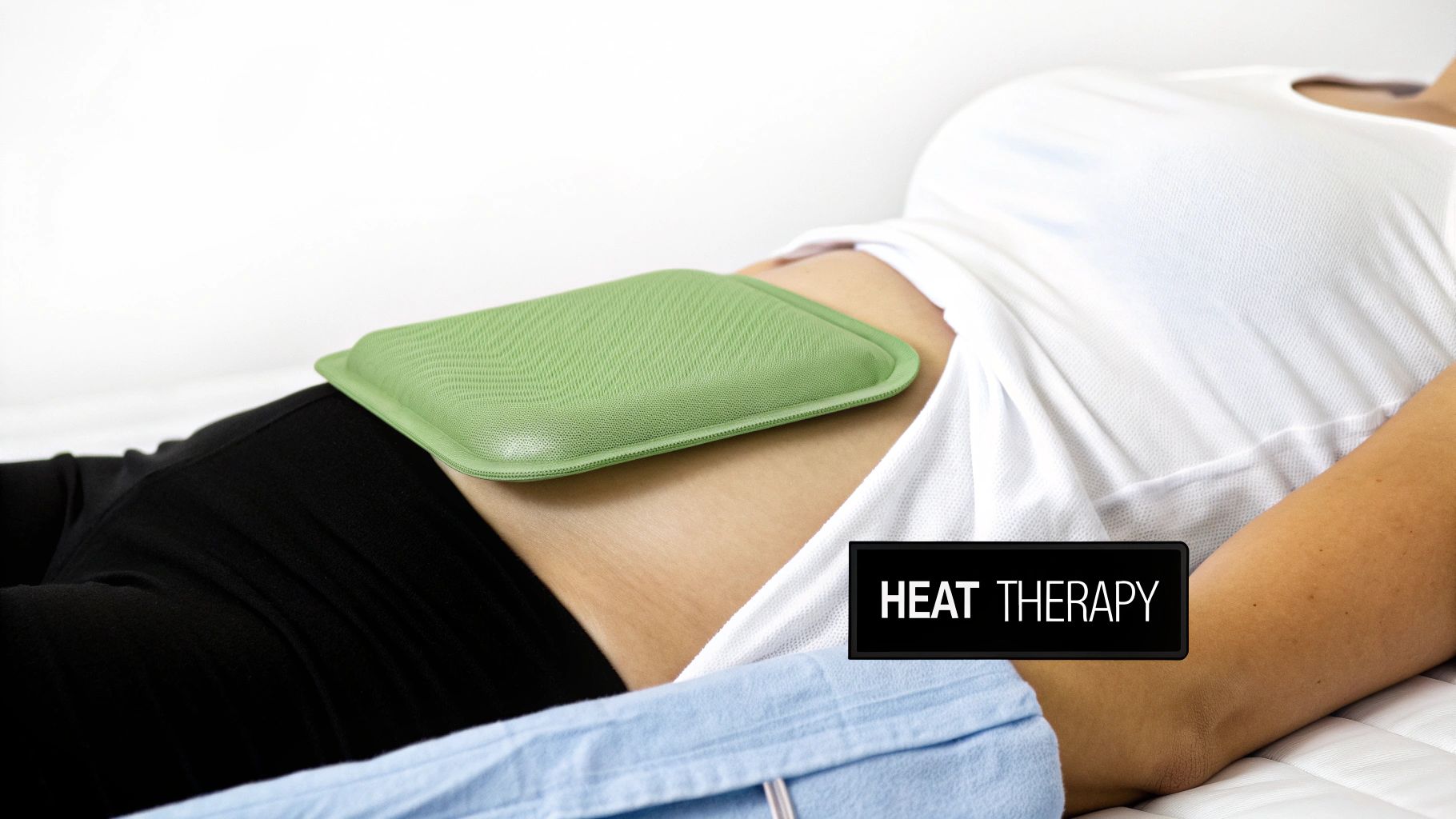
Heat therapy is one of the most accessible and time-tested methods for natural menstrual cramp relief. Its effectiveness lies in its simple, direct physiological impact on the body. Applying warmth to the lower abdomen or back encourages pelvic muscles, including the uterus, to relax.
This process, known as vasodilation, involves the widening of blood vessels. Increased blood flow to the area delivers more oxygen and nutrients to the tissues, helping to ease the painful uterine contractions that cause cramps. Furthermore, heat can activate specific heat receptors in the skin that block chemical messengers responsible for detecting pain, offering a comforting and targeted analgesic effect.
Why It Works for Menstrual Cramps
Menstrual cramps, or dysmenorrhea, are caused by uterine contractions triggered by hormone-like substances called prostaglandins. Higher levels of prostaglandins are associated with more severe cramps. Heat therapy directly counteracts this by relaxing the uterine muscles, which reduces the intensity of these contractions and alleviates pain.
Unlike systemic pain medications that affect the entire body, heat offers localized relief right where you need it. This makes it a foundational strategy for managing acute menstrual discomfort without the potential side effects of medication. This principle of targeted relief is a cornerstone of many non-pharmaceutical approaches, which often prove highly effective for various conditions. For those exploring non-invasive pain management, you can learn more about how alternative medicine for pain harnesses the body's natural healing mechanisms.
Practical Application and Examples
Integrating heat therapy into your routine is simple and can be done using various tools. The key is consistent, safe application to the areas experiencing the most discomfort.
- Heating Pads and Hot Water Bottles: These are classic choices for targeted relief. Apply a heating pad (on a low to medium setting) or a well-sealed hot water bottle to the lower abdomen or back.
- Warm Baths: A full-body approach, a warm bath can relax not just the uterine muscles but your entire system. Adding Epsom salts (magnesium sulfate) can further enhance muscle relaxation and reduce pain.
- Adhesive Heat Patches: For on-the-go relief, disposable heat patches are designed to adhere to clothing and provide several hours of continuous, low-level warmth, allowing you to remain active.
- Warm Compresses: A towel soaked in hot water and wrung out can serve as a simple, effective compress.
Tips for Safe and Effective Use
To maximize the benefits of heat therapy while ensuring safety, consider the following best practices:
- Protect Your Skin: Always place a thin barrier, like a towel or a layer of clothing, between the heat source and your skin to prevent burns.
- Mind the Clock: Limit each heat application to 15-20 minutes at a time. You can repeat the process every hour or as needed.
- Combine with Movement: Enhance the muscle-relaxing effects by pairing heat therapy with gentle stretching, restorative yoga poses like Child's Pose, or a slow walk.
- Alternate Placement: If you experience pain in both your abdomen and lower back, try alternating the heat source between the two areas for comprehensive relief.
- Stay Hydrated: Drinking warm water or herbal tea can complement the internal warming effect and promote overall comfort.
2. Ginger Root: Nature's Anti-Inflammatory Solution
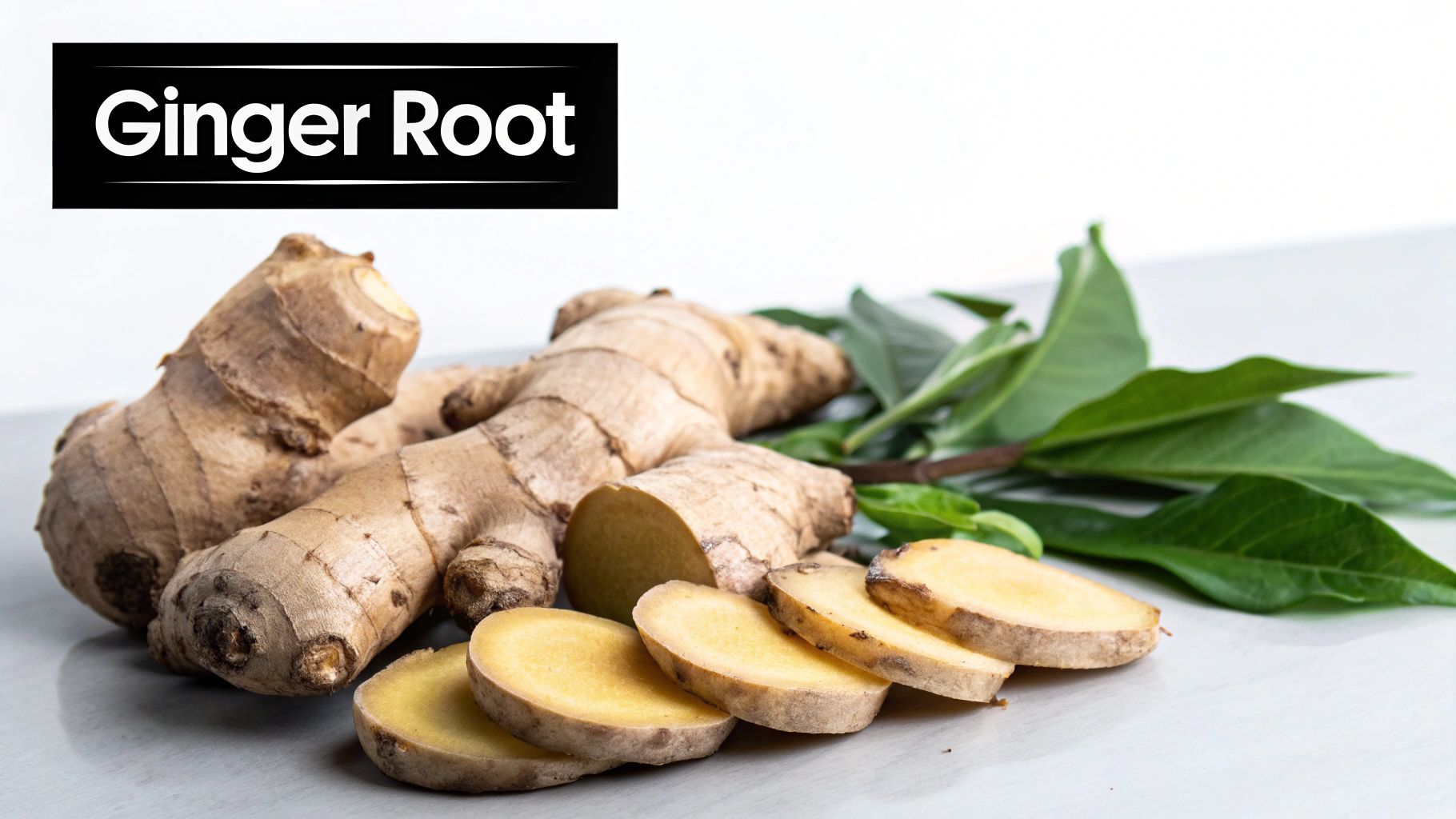
Ginger root (Zingiber officinale) is a powerful, time-honored herb celebrated for its medicinal properties, particularly as a natural menstrual cramp relief aid. Its efficacy stems from potent anti-inflammatory and anti-spasmodic compounds known as gingerols and shogaols. These bioactive components work by inhibiting the body's production of prostaglandins, the hormone-like substances responsible for triggering the painful uterine contractions that characterize menstrual cramps.
This mechanism allows ginger to address the root biochemical cause of the pain, rather than just masking the symptoms. Clinical research has demonstrated that ginger can be as effective as common non-steroidal anti-inflammatory drugs (NSAIDs) like ibuprofen for alleviating menstrual pain. Its ability to provide significant relief without the side effects associated with some pharmaceuticals makes it a standout natural alternative.
Why It Works for Menstrual Cramps
The primary driver of menstrual pain is an overproduction of prostaglandins, which causes the uterus to contract intensely, restricting blood flow and oxygen to the muscle tissue. Ginger directly intervenes in this process by reducing prostaglandin synthesis. By lowering these levels, ginger helps to calm uterine muscle spasms, reduce the intensity of contractions, and thereby decrease pain.
Furthermore, ginger's warming properties can improve circulation, which helps deliver oxygen to pelvic tissues and flush out pain-causing substances. Its benefits extend beyond pain relief, as it is also well-known for its anti-nausea effects, helping to soothe associated symptoms like digestive upset that can accompany a period. As a cornerstone in herbal medicine, ginger’s ability to calm the digestive system is well-documented; you can explore more about herbs for digestive problems to understand its broader applications.
Practical Application and Examples
Incorporating ginger into your menstrual care routine is versatile and can be tailored to your preferences. The key is consistent use, especially in the days leading up to and during your period.
- Ginger Capsules: For a standardized, convenient dose, take 250mg ginger capsules up to four times daily during menstruation. This method ensures you are getting a consistent amount of the active compounds.
- Fresh Ginger Tea: A soothing and effective option, you can make fresh tea by steeping a one-inch piece of peeled, sliced ginger root in hot water for 10-15 minutes. Add honey or lemon to taste.
- Dietary Addition: Grate fresh ginger into smoothies, soups, stir-fries, or salad dressings to easily integrate it into your meals.
- Standardized Extracts: Liquid ginger extracts offer a potent, easily absorbed form of the herb. Follow the dosage instructions provided on the product label.
Tips for Safe and Effective Use
To get the most out of ginger while ensuring it agrees with your system, follow these best practices:
- Start Proactively: For maximum effectiveness, begin taking ginger one to two days before your period is expected to start and continue through the first few days of your cycle.
- Take with Food: Ginger can sometimes cause mild stomach irritation or heartburn. Consuming it with a meal or snack can help minimize this risk.
- Choose Fresh When Possible: Fresh ginger root generally contains higher levels of gingerol and is considered more potent than its dried or powdered forms.
- Start with Small Doses: If you are new to using ginger therapeutically, begin with a smaller amount to assess your body's tolerance before increasing to the recommended dosage.
- Consult a Professional: If you are taking blood-thinning medications or have a medical condition, consult with a healthcare provider or a licensed acupuncturist before adding ginger supplements to your regimen.
3. Magnesium Supplementation: The Natural Muscle Relaxant
Magnesium is an essential mineral that plays a crucial role in over 300 biochemical reactions in the body, including muscle and nerve function. Its powerful muscle-relaxant properties make it a standout natural remedy for menstrual cramps. By acting as a calcium channel blocker, magnesium helps regulate uterine muscle contractions, preventing the intense, painful spasms that characterize dysmenorrhea.
Many individuals are deficient in this vital mineral, which can exacerbate period pain. Supplementation addresses this deficiency directly, helping to reduce the production of pain-causing prostaglandins and ease overall muscle tension. This targeted physiological action makes magnesium a cornerstone of natural menstrual cramp relief, offering a way to manage pain at its source rather than just masking symptoms.

Why It Works for Menstrual Cramps
Menstrual cramps are driven by prostaglandins, which cause the uterine muscles to contract and shed the uterine lining. Magnesium helps to naturally lower prostaglandin levels, thereby reducing the severity of these contractions. It also promotes general muscle relaxation throughout the pelvic region, further alleviating the cramping sensation and associated lower back pain.
Unlike fast-acting pain relievers, magnesium works systematically to correct an underlying mineral imbalance that contributes to menstrual pain. Its anti-inflammatory properties also play a part in managing discomfort. If you want to dive deeper into this topic, you can explore more about how to reduce inflammation and its connection to overall health and pain management.
Practical Application and Examples
Incorporating magnesium can be done through diet, oral supplements, or topical applications. Consistency is key, as it can take time for mineral levels to build up and produce noticeable effects.
- Oral Supplements: Magnesium glycinate is a highly bioavailable and gentle form, typically recommended at doses of 200-400mg per day.
- Epsom Salt Baths: Soaking in a warm bath with Epsom salts (magnesium sulfate) allows the body to absorb magnesium transdermally, providing simultaneous muscle relaxation and pain relief.
- Topical Magnesium Oil: Applying magnesium oil or lotion directly to the lower abdomen and back can offer targeted, localized relief from cramps.
- Magnesium-Rich Foods: Increase your dietary intake by eating foods like dark chocolate, avocados, nuts, legumes, leafy greens like spinach, and pumpkin seeds.
Tips for Safe and Effective Use
To get the most out of magnesium supplementation while minimizing potential side effects, follow these best practices:
- Choose Wisely: Opt for highly absorbable, chelated forms like magnesium glycinate, citrate, or malate. These are less likely to cause the digestive upset associated with magnesium oxide.
- Start Low and Go Slow: Begin with a lower dose (e.g., 100-200mg) and gradually increase it. This allows your digestive system to adjust and helps prevent laxative effects.
- Take with Food: Consuming magnesium supplements with a meal can improve tolerance and absorption.
- Consider Co-factors: Magnesium works in synergy with other nutrients. Ensure you have adequate intake of vitamin D, vitamin B6, and calcium for optimal mineral balance and absorption.
- Be Consistent: For the best results in natural menstrual cramp relief, take magnesium daily throughout your cycle, not just during your period.
4. Chamomile Tea: Nature's Gentle Relaxant
Chamomile tea is a revered herbal remedy, long celebrated for its calming properties and its role in providing natural menstrual cramp relief. This gentle yet effective botanical works by addressing both the physical and emotional aspects of menstrual discomfort. Its primary power comes from its rich concentration of beneficial compounds, including flavonoids and terpenoids.
These compounds, particularly an antioxidant called apigenin, possess significant anti-inflammatory and antispasmodic properties. They work to relax the uterine muscles, easing the forceful contractions responsible for cramps. Additionally, chamomile has mild sedative effects that can soothe the nervous system, reducing the anxiety and irritability that often accompany period pain.
Why It Works for Menstrual Cramps
Menstrual cramps are largely caused by the release of prostaglandins, which trigger uterine contractions. Chamomile's antispasmodic action directly counteracts this process, helping to calm the overactive uterine muscles. Research suggests that regular consumption can help lower prostaglandin levels, leading to less severe cramping over time.
Beyond its muscle-relaxing benefits, chamomile contains compounds that increase levels of glycine, an amino acid that helps calm muscle spasms and acts as a nerve relaxant. This dual-action approach of reducing inflammation while promoting relaxation makes chamomile a comprehensive and holistic option for managing menstrual pain without pharmaceutical intervention. It offers a gentle way to find balance and comfort during your cycle.
Practical Application and Examples
Incorporating chamomile into your menstrual care routine is simple and can be adapted to your preferences. The most common method is drinking it as a tea, but its benefits can be harnessed in other ways as well.
- Daily Tea Ritual: Drink two to three cups of warm chamomile tea per day, especially in the days leading up to and during your period, for consistent relief.
- Herbal Blends: Combine dried chamomile flowers with other soothing herbs like peppermint (for nausea), lemon balm (for stress), or ginger (for inflammation) to create a personalized cramp-relief tea.
- Chamomile Compress: For topical relief, steep two chamomile tea bags in hot water, let them cool slightly, and apply them as a warm compress directly to your lower abdomen.
- Standardized Extracts: For a more concentrated dose, standardized chamomile extract is available in capsule form, offering a convenient alternative to tea.
Tips for Safe and Effective Use
To get the most out of chamomile tea for natural menstrual cramp relief, follow these best practices for preparation and consumption.
- Proper Steeping: To extract the maximum amount of beneficial compounds, steep high-quality, organic chamomile flowers or tea bags in hot water for 5-10 minutes with a lid covering the cup.
- Start Early: For a preventative approach, begin drinking chamomile tea one to two days before your period is expected to start and continue through the first few days of menstruation.
- Enhance with Honey: Add a teaspoon of raw honey to your tea. Honey has its own anti-inflammatory properties and can help soothe your system.
- Check for Allergies: While rare, individuals with allergies to plants in the daisy family (like ragweed or chrysanthemums) may have a reaction to chamomile. Start with a small amount if you are sensitive to these allergens.
5. Yoga and Gentle Stretching
Yoga and gentle stretching are highly effective forms of natural menstrual cramp relief that work by addressing both the physical and mental aspects of pain. This mind-body practice combines physical postures, breathing techniques, and meditation to increase blood flow, release muscle tension, and calm the nervous system. By gently moving the body, you can alleviate the physical sources of cramping while promoting a sense of well-being.
The mechanism is twofold. Physically, specific stretches and poses increase circulation to the pelvic region, delivering oxygen-rich blood that helps relax uterine contractions. Simultaneously, this movement helps release tension in the surrounding muscles of the lower back, hips, and abdomen, which often tighten in response to menstrual pain. Mentally, the focus on deep, rhythmic breathing activates the parasympathetic nervous system, shifting the body out of a state of stress and into one of rest and relaxation, which can elevate your pain threshold.
Why It Works for Menstrual Cramps
Menstrual pain is often exacerbated by constricted blood vessels and tense muscles in the pelvic area, a direct result of prostaglandin-induced uterine contractions. Yoga and stretching directly counteract these effects. The gentle movements physically lengthen and release tight muscles, while specific poses can decompress the lower back and open the hips.
Furthermore, this practice encourages the release of endorphins, the body's natural pain-relieving chemicals. This provides an analgesic effect similar to medication but without side effects. By creating a holistic response that reduces muscle tension, improves circulation, and boosts mood-lifting endorphins, yoga offers comprehensive and sustainable relief from menstrual discomfort.
Practical Application and Examples
Incorporating gentle movement into your routine during your period can be restorative. The focus should be on restorative and gentle poses rather than a vigorous or athletic practice.
- Child's Pose (Balasana): Kneel on the floor, sit back on your heels, and fold forward, resting your forehead on the mat. This pose gently stretches the lower back and hips. Hold for 2-3 minutes while breathing deeply into your back.
- Cat-Cow Pose (Marjaryasana-Bitilasana): Start on your hands and knees. Inhale as you drop your belly and look up (Cow), and exhale as you round your spine and tuck your chin (Cat). This mobilizes the spine and gently massages the abdominal organs.
- Supine Spinal Twist (Supta Matsyendrasana): Lie on your back, hug your knees to your chest, and then extend your arms out to the sides. Gently drop both knees to one side, turning your head to the opposite side. This releases tension in the lower back and hips.
- Legs-Up-the-Wall Pose (Viparita Karani): Lie on your back with your legs extended up a wall. This restorative pose improves circulation, reduces pelvic congestion, and calms the nervous system.
Tips for Safe and Effective Use
To get the most out of your practice while honoring your body's needs during menstruation, follow these tips:
- Prioritize Gentle Poses: Stick to restorative, yin, or gentle Hatha yoga. Avoid deep twists, intense core work, or long-held inversions that might put pressure on the abdomen.
- Use Props for Support: Use blankets, pillows, or bolsters to support your body in poses. A pillow under your abdomen in Child's Pose or under your knees in a supine position can enhance comfort and relaxation.
- Focus on Your Breath: Throughout each movement, maintain slow, deep, and even breathing. This is key to calming the nervous system and maximizing the pain-relieving benefits.
- Listen to Your Body: This is the most important rule. If a pose causes pain or discomfort, gently ease out of it. Modify poses as needed to suit how you feel on that particular day.
6. Essential Oil Aromatherapy
Essential oil aromatherapy harnesses the power of concentrated plant extracts to offer a fragrant and effective form of natural menstrual cramp relief. This holistic practice utilizes volatile aromatic compounds that interact with the body's systems through both the sense of smell and direct skin absorption. When inhaled, these compounds stimulate the olfactory system, which is directly linked to the brain's limbic system, an area that controls emotions, heart rate, and hormone balance.
When applied topically, the active constituents of essential oils penetrate the skin to exert localized effects. Many oils possess antispasmodic, anti-inflammatory, and analgesic properties, which help to relax uterine muscles, reduce inflammation, and disrupt pain signals. This dual-action approach makes aromatherapy a versatile tool for addressing both the physical and emotional aspects of menstrual discomfort.
Why It Works for Menstrual Cramps
Menstrual cramps are driven by prostaglandins that cause intense uterine muscle spasms. Essential oils like clary sage, marjoram, and lavender contain compounds that help counteract these effects. For instance, clary sage is believed to have estrogen-like properties that can help balance hormones, while lavender is renowned for its calming and pain-relieving abilities.
Aromatherapy offers a non-invasive way to manage pain by working with the body’s own chemistry. The combination of gentle massage with specific oils can significantly enhance blood flow to the pelvic region, further easing contractions and providing a sense of comfort and well-being. This synergy between scent, touch, and chemical action provides comprehensive relief from period pain.
Practical Application and Examples
Incorporating essential oils into your menstrual care routine is straightforward and can be tailored to your preferences. The key is using high-quality oils and applying them correctly for maximum benefit.
- Topical Abdominal Massage: Dilute 3-5 drops of clary sage or marjoram oil in a teaspoon of a carrier oil like coconut or jojoba oil. Gently massage the blend onto your lower abdomen and back in a clockwise motion.
- Aromatic Diffusion: Add 5-10 drops of lavender or Roman chamomile oil to an ultrasonic diffuser. This can help reduce stress, promote relaxation, and improve sleep quality, all of which are beneficial during your cycle.
- Soothing Warm Bath: Enhance a warm bath by adding a few drops of lavender or Roman chamomile oil mixed with Epsom salts. The combination of heat and aromatherapy provides full-body muscle relaxation.
- On-the-Go Relief: Create a personal roll-on blend by combining your favorite cramp-relieving oils with a carrier oil in a roller bottle. This allows for easy application to your abdomen or pulse points throughout the day.
Tips for Safe and Effective Use
To ensure you get the most out of aromatherapy while staying safe, follow these best practices:
- Always Dilute: Never apply pure essential oils directly to the skin. A safe dilution is typically 2-3 drops of essential oil per teaspoon of carrier oil (like jojoba, almond, or coconut oil).
- Perform a Patch Test: Before widespread use, apply a small amount of the diluted oil to an inconspicuous area of skin (like the inner elbow) to check for any sensitivity or allergic reactions.
- Choose Quality Oils: Opt for certified organic, therapeutic-grade oils from reputable brands to ensure purity and potency. This minimizes the risk of irritation from synthetic additives.
- Timing is Key: For a preventative approach, try applying an essential oil blend to your abdomen about 30 minutes before you anticipate your cramps will begin.
Natural Menstrual Cramp Relief: 6 Methods Compared
| Item | Implementation Complexity 🔄 | Resource Requirements ⚡ | Expected Outcomes 📊 | Ideal Use Cases 💡 | Key Advantages ⭐ |
|---|---|---|---|---|---|
| Heat Therapy | Low – simple, non-invasive | Low – heating pads, heat patches | Immediate, temporary pain relief within 15-20 mins | At-home acute cramp relief | Drug-free, quick, cost-effective |
| Ginger Root | Moderate – ingestion or supplements | Moderate – fresh root, capsules, tea | Reduces inflammation and cramps, slower onset | Regular dietary supplement, digestive relief | Clinically comparable to NSAIDs |
| Magnesium Supplementation | Moderate – daily supplementation | Moderate – supplements or topical | Preventive muscle relaxation, improved mood and sleep | Women with magnesium deficiency | Addresses root cause, well researched |
| Chamomile Tea | Low – easy brewing and consumption | Low – tea bags or loose leaves | Mild antispasmodic and sedative effects | Mild cramps, sleep support | Multi-action, safe for long term |
| Yoga and Gentle Stretching | Moderate – learning poses and routine | Low – no cost, mat/props optional | Immediate relief and long-term symptom management | Stress, pain, mood, and fatigue management | Holistic, builds body awareness |
| Essential Oil Aromatherapy | Moderate – proper dilution required | Moderate to high – quality oils | Mild pain and spasm relief plus emotional benefits | Stress relief, pain, hormonal balance | Multi-modal, sensory relaxation |
Crafting Your Personalized Path to Pain-Free Periods
Navigating the landscape of menstrual health can often feel overwhelming, but as we've explored, you have a powerful toolkit of natural strategies at your disposal. The journey toward effective, lasting natural menstrual cramp relief is not about finding a single magic bullet. Instead, it's about listening to your body and weaving together a personalized tapestry of care that addresses your unique needs.
By embracing the methods detailed in this guide, from the immediate comfort of heat therapy to the systemic benefits of magnesium supplementation, you are taking proactive steps to reclaim control over your cycle. You are moving beyond simply enduring pain and toward a future of empowered well-being.
Key Takeaways for Lasting Relief
The most profound and sustainable results often come from a multi-faceted approach. Think of these strategies not as isolated options but as interconnected pillars supporting your overall pelvic health.
- Proactive Prevention: Don't wait for the first twinge of pain. Integrating practices like daily magnesium intake, regular yoga sessions, and consistent stress management with chamomile tea can create a foundation of balance that reduces the severity of cramps before they even begin.
- Reactive Comfort: For acute pain, have your go-to remedies ready. Keep ginger root on hand for a potent anti-inflammatory tea, prepare a heating pad, and have your favorite calming essential oils accessible for immediate, targeted relief.
- Synergistic Power: The true magic happens when you combine these methods. Imagine a routine where you start your day with gentle stretching, sip ginger tea throughout the afternoon, and unwind in the evening with a warm compress and lavender aromatherapy. This layering of support addresses pain from multiple angles, both physically and emotionally.
Your Actionable Next Steps
Mastering these concepts is more than just managing pain; it's about fostering a deeper connection with your body's rhythms and cycles. It’s about understanding that menstrual discomfort is not an inevitable sentence but a signal that can be addressed with mindful, natural care. A pain-free period translates to more productive workdays, more joyful social interactions, and a greater sense of vitality throughout the month.
To begin crafting your personalized plan, start by choosing one or two strategies that resonate most with you.
- Select Your Foundation: Pick one preventative habit to implement consistently for the next month. This could be a daily magnesium supplement or a 10-minute morning yoga routine.
- Prepare Your Rescue Kit: Assemble your acute-care items. Stock your pantry with ginger and chamomile, ensure your heating pad is accessible, and purchase a quality essential oil you find soothing.
- Track and Adjust: Use a journal or a cycle-tracking app to note your symptoms and the effectiveness of the remedies you try. This data is invaluable for refining your approach over time. You might discover, for example, that starting ginger tea three days before your period begins is most effective for you.
This journey is one of experimentation and self-discovery. By consistently applying these natural strategies, you are not just alleviating cramps; you are investing in your long-term health, building resilience, and honoring your body’s innate wisdom. Your cycle does not have to be a source of dread. With the right tools and a commitment to personalized care, you can transform your experience and step into a future of balanced, comfortable, and pain-free periods.
If your pain persists or feels unmanageable despite these efforts, it may be a sign of a deeper imbalance that requires professional guidance. At Eric Tsai Acupuncture and Herbs, we specialize in diagnosing the root cause of menstrual pain through the lens of Dynamic Balanced Medicine to create a personalized treatment plan for lasting relief. Take the next step toward a more comfortable cycle by exploring our holistic women's health services at Eric Tsai Acupuncture and Herbs.