
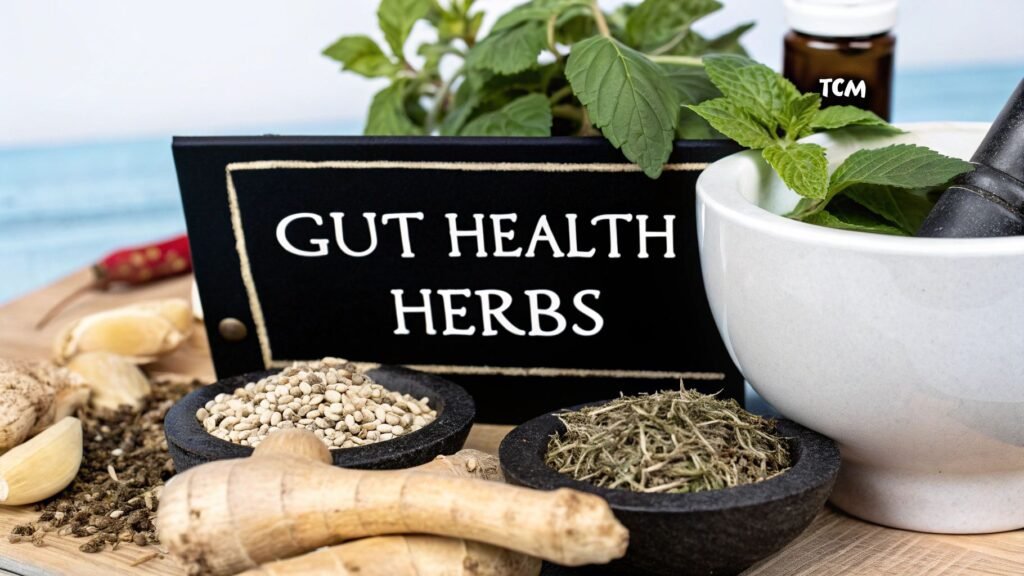
A balanced gut is the cornerstone of overall wellness, yet millions struggle with digestive discomfort, from bloating and gas to more complex inflammatory conditions. While modern medicine offers solutions, ancient wisdom from Traditional Chinese Medicine (TCM) and other herbal traditions provides powerful, natural tools to restore intestinal balance. This guide bridges the gap between ancient knowledge and modern science, offering a detailed roundup of the best herbs for gut health.
We will explore eight potent botanicals, including ginger, slippery elm, and licorice root, examining how they function from both a scientific and a TCM perspective. You will gain specific, actionable insights into their benefits, recommended dosages, and safety considerations. While herbs are powerful, adopting holistic strategies to improve gut health, including diet and lifestyle, provides a comprehensive foundation for digestive harmony.
Understanding these botanicals is a critical first step toward reclaiming your digestive vitality and achieving long-term wellness. This article provides the practical, evidence-based guidance you need to incorporate them into your daily routine effectively. At Eric Tsai Acupuncture & Herbs, we integrate this knowledge into personalized treatment plans, combining the best of Eastern and Western approaches to help you heal from within.
1. Ginger (Zingiber officinale)
Ginger root, a cornerstone of Traditional Chinese Medicine (TCM) and Ayurveda, is one of the most powerful and well-researched herbs for gut health. Its warming properties and pungent flavor are attributed to active compounds like gingerols and shogaols, which directly support digestive function. These phytonutrients stimulate the production of digestive enzymes, enhance nutrient absorption, and promote healthy gut motility, helping to relieve common issues like indigestion and bloating.

Ginger’s primary mechanism is its ability to accelerate gastric emptying. This action ensures that food moves efficiently from the stomach to the small intestine, reducing the likelihood of heartburn, discomfort, and fermentation that can lead to gas. Furthermore, its potent anti-inflammatory effects can help soothe an irritated intestinal lining, making it beneficial for those with sensitive digestive systems.
How to Use Ginger for Digestive Support
Integrating ginger into your daily routine is simple and effective. The key is consistency, as its benefits accumulate over time.
- Pre-Meal Tea: Brew fresh ginger tea by steeping a few thin slices in hot water for 10-15 minutes. Drinking this 20-30 minutes before meals can prime your digestive system.
- Culinary Integration: Add fresh or powdered ginger to soups, stir-fries, marinades, and smoothies. This provides a consistent, low-dose intake throughout the day.
- Enhanced Combinations: Pair ginger with lemon in warm water for a classic digestive tonic that helps stimulate bile flow and aids in detoxification.
Expert Insight: In Traditional Chinese Medicine, fresh ginger (Sheng Jiang) is used to warm the stomach and dispel cold, making it ideal for digestive upset caused by cold foods or external pathogens. Its ability to harmonize the spleen and stomach is fundamental to its role in many herbal formulas.
Start with small amounts of ginger to assess your tolerance, as its spicy nature can be intense for some. For those seeking a deeper understanding of its traditional applications, you can explore more about herbs for digestive problems on Dr. Eric Tsai's website. This potent rhizome has earned its place as one of the best herbs for gut health due to its multifaceted, science-backed benefits.
2. Slippery Elm (Ulmus rubra)
Slippery Elm, derived from the inner bark of the Ulmus rubra tree, is a premier demulcent herb renowned for its ability to soothe and protect the entire digestive tract. Its power lies in a high concentration of mucilage, a gel-like substance that forms a protective coating over mucous membranes. This action directly shields the esophagus, stomach, and intestines from irritation caused by stomach acid, inflammatory triggers, and abrasive foods, making it an indispensable ally for gut lining integrity.
The primary mechanism of Slippery Elm is its ability to reduce inflammation and support the repair of the intestinal barrier. By coating the gut lining, it provides a physical barrier that can alleviate symptoms of gastritis, acid reflux, and inflammatory bowel conditions. This soothing layer also promotes the healing of damaged tissue, which is fundamental in protocols aimed at addressing intestinal permeability, commonly known as "leaky gut."
How to Use Slippery Elm for Digestive Support
To maximize its coating and soothing effects, Slippery Elm should be prepared and timed correctly. It is most effective when it makes direct contact with the gut lining.
- Create a Slurry: Mix one to two teaspoons of Slippery Elm powder with a small amount of warm water or nut milk to form a paste, or "slurry." Consume this 30 minutes before a meal to pre-coat the digestive tract.
- Improve Palatability: The earthy taste can be challenging for some. Mixing the powder with a teaspoon of raw honey or maple syrup can make it more pleasant to consume.
- Strategic Timing: For maximum benefit, always take Slippery Elm on an empty stomach. This ensures the mucilage can effectively coat the intestinal walls without being diluted by food.
- Cycle for Sustainability: To prevent potential dependency and maintain its effectiveness, consider a cycle of 30 days on, followed by a one-to-two-week break.
Expert Insight: Functional medicine practitioners like Dr. Liz Lipski frequently incorporate Slippery Elm into the "Repair" phase of the 4R Gut Protocol (Remove, Replace, Reinoculate, Repair). Its ability to soothe inflammation and provide raw material for mucosal healing makes it a cornerstone for restoring the integrity of the gut barrier.
Because its mucilage can slow the absorption of other substances, it's recommended to take Slippery Elm at least two hours apart from any medications or other supplements. Its gentle yet powerful action makes it one of the best herbs for gut health, particularly for those with sensitive or inflamed digestive systems.
3. Licorice Root (Glycyrrhiza glabra)
Licorice root, revered in both Western herbalism and Traditional Chinese Medicine (TCM), is a superior gut-healing herb prized for its soothing, anti-inflammatory properties. Its primary active compound, glycyrrhizin, along with various flavonoids, helps protect the delicate lining of the stomach and intestines. These compounds work by increasing mucus production, which forms a protective barrier against stomach acid and other irritants, making it one of the best herbs for gut health, particularly for inflammatory conditions.
The key mechanism of licorice root is its ability to support the integrity of the gut lining, a critical component of overall digestive wellness. By enhancing the lifespan of intestinal cells and promoting blood flow to the gut wall, it directly aids in the healing of ulcers and reduces inflammation associated with conditions like gastritis. For safety in long-term use, deglycyrrhizinated licorice (DGL) is often recommended, as it provides these gut-soothing benefits without glycyrrhizin, which can affect blood pressure in some individuals.
How to Use Licorice Root for Digestive Support
Proper timing and form are essential to maximize the therapeutic benefits of licorice root for digestive healing.
- Pre-Meal Protection: Chew one to two DGL tablets 15-30 minutes before meals. This allows the compounds to mix with saliva and coat the esophagus and stomach, creating a protective layer before food arrives.
- Synergistic Formulas: Combine licorice root with other demulcent herbs like marshmallow root or slippery elm in a tea or powder. This combination creates a powerful, synergistic effect for soothing inflamed gut tissues.
- Mindful Cycling: To prevent potential side effects from long-term use of whole licorice, it's wise to take breaks. A common cycle is six weeks of use followed by a two-week break.
Expert Insight: In Traditional Chinese Medicine, licorice root (Gan Cao) is known as the "great harmonizer" because it balances the properties of other herbs in a formula and directs their actions to the Spleen and Stomach. It tonifies Spleen Qi, moistens the Lungs, and clears heat, making it invaluable for treating digestive weakness and disharmony.
When selecting a licorice supplement, choose high-quality, organic sources to ensure purity and potency. For those specifically dealing with acid-related discomfort, you can find more information about herbal remedies for acid reflux on Dr. Eric Tsai's website. Its unique ability to both soothe and strengthen the gut solidifies its status as a top-tier digestive herb.
4. Peppermint (Mentha x piperita)
Peppermint leaf and its essential oil are renowned for their powerful effects on digestive comfort, particularly for conditions like Irritable Bowel Syndrome (IBS). Its primary active compound, menthol, gives the herb its characteristic cooling sensation and therapeutic properties. Menthol acts as a natural antispasmodic, relaxing the smooth muscles of the intestinal tract to alleviate cramping, spasms, and the painful bloating that often accompanies digestive distress.
Peppermint’s mechanism of action involves blocking calcium channels in the smooth muscle cells of the gut wall, which prevents them from contracting excessively. This carminative effect helps expel gas and reduce pressure. Additionally, peppermint oil stimulates the flow of bile, an essential fluid for fat digestion, further aiding the overall digestive process. Its antimicrobial properties can also help balance the gut microbiota, making it one of the best herbs for gut health maintenance.
How to Use Peppermint for Digestive Support
For peppermint to be most effective, particularly for lower intestinal issues, targeted delivery is crucial. Using enteric-coated capsules ensures the oil bypasses the stomach and is released directly into the intestines.
- Enteric-Coated Capsules: For targeted relief from IBS symptoms like cramping and bloating, take one enteric-coated peppermint oil capsule 30 minutes before meals on an empty stomach.
- Soothing Tea: Drink peppermint tea between meals for its gentle, soothing benefits on the upper digestive tract. It can help with indigestion and nausea. For those interested in cultivating this herb at home to ensure a fresh supply, you can learn more about how to grow mint.
- Synergistic Blends: Combine peppermint with other carminative herbs like fennel or chamomile in a tea to enhance its antispasmodic effects and create a comprehensive digestive tonic.
Expert Insight: Gastroenterologist Dr. Robynne Chutkan often recommends enteric-coated peppermint oil as a first-line natural approach for managing IBS symptoms. The enteric coating is critical because it prevents the oil from relaxing the lower esophageal sphincter, which could otherwise cause or worsen heartburn.
5. Marshmallow Root (Althaea officinalis)
Marshmallow root is a premier demulcent herb, celebrated for its high mucilage content that provides a protective, soothing coating to the entire digestive tract. This gentle yet powerful herb contains complex polysaccharides that, when mixed with water, create a gel-like substance. This substance lines the mucous membranes from the esophagus to the colon, offering immediate relief from irritation and inflammation associated with conditions like acid reflux, gastritis, and ulcers.

The primary benefit of marshmallow root is its ability to support intestinal barrier integrity. By forming a physical barrier over inflamed tissues, it shields them from further damage by stomach acid and other irritants, allowing the body's natural healing processes to take place. Furthermore, emerging research suggests its polysaccharides may act as a prebiotic, nourishing beneficial gut bacteria and contributing to a healthy microbiome. This dual-action support makes it one of the best herbs for gut health, particularly for healing and restoration.
How to Use Marshmallow Root for Digestive Support
To maximize the mucilaginous properties of marshmallow root, specific preparation methods are key. Consistency is crucial for repairing and maintaining a healthy gut lining.
- Cold Infusion: The most effective way to extract mucilage is through a cold infusion. Add one tablespoon of dried, cut marshmallow root to a quart-sized jar of cool water. Let it steep overnight, or for at least 4-6 hours, then strain and drink throughout the day.
- Healing Combinations: For enhanced therapeutic effects, combine marshmallow root with other demulcent herbs like slippery elm and licorice root. This trio creates a potent gut-healing formula.
- Optimal Timing: For targeted relief, take marshmallow root on an empty stomach, such as 1-2 hours before bed, to allow it to coat the digestive tract without interference from food.
Expert Insight: In Western herbalism, marshmallow root is considered a "mucilaginous trophorestorative," meaning it both soothes and helps restore the normal function and structure of tissues. Herbalists like Rosemary Gladstar champion its use for "leaky gut" protocols due to its direct action on compromised intestinal tight junctions.
Always store dried marshmallow root in an airtight container in a cool, dark place, as moisture will activate its mucilage prematurely. For noticeable results in healing the gut lining, consistent use for at least 30 days is often recommended.
6. Fennel (Foeniculum vulgare)
Fennel seed, with its distinctive licorice-like flavor, is a classic carminative herb celebrated in traditional medicine systems worldwide, particularly Ayurveda. Its gentle yet effective action on the digestive system comes from its rich concentration of volatile oils, primarily anethole and fenchone. These compounds work to relax the smooth muscles of the gastrointestinal tract, alleviating spasms, cramping, and the trapped gas that causes painful bloating.
The primary mechanism of fennel is its antispasmodic effect, which helps to calm an overactive or irritated gut. This relaxation allows for the smooth passage of gas and can prevent its buildup in the first place. Additionally, fennel seeds stimulate the secretion of digestive juices, which improves overall digestive efficiency and nutrient absorption. Its mild antimicrobial properties can also help maintain a balanced gut microbiome, making it one of the most reliable and best herbs for gut health.
How to Use Fennel for Digestive Support
Incorporating fennel is simple due to its pleasant taste. It can be used both proactively to prevent digestive upset and reactively to soothe existing discomfort.
- Soothing Tea: To make a potent tea, lightly crush 1-2 teaspoons of fennel seeds to release their volatile oils and steep them in hot water for 10-15 minutes. Drinking this 20-30 minutes before a meal can prevent gas and bloating.
- Culinary Spice: Add whole or ground fennel seeds to soups, roasted vegetables, curries, and breads. This is an excellent way to integrate its benefits into your daily diet for consistent support.
- Powerful Pairings: Combine fennel with peppermint in a tea for a synergistic effect that tackles both cramping and bloating. This combination offers comprehensive relief for general digestive discomfort.
Expert Insight: In Ayurvedic medicine, fennel (Saunf) is highly regarded as a tridoshic herb, meaning it balances all three bodily humors (Vata, Pitta, and Kapha). It is particularly prized for strengthening Agni (digestive fire) without increasing acidity, making it suitable for almost all constitutions and a staple post-meal digestive aid.
Fennel is famously gentle, making it a safe choice for many, including for soothing infant colic when prepared as a very diluted tea. Its ability to calm spasms and reduce gas has cemented its status as an indispensable herb for maintaining digestive harmony.
7. Turmeric/Curcumin (Curcuma longa)
Turmeric, the vibrant golden spice revered in Ayurvedic medicine for centuries, contains a powerful polyphenol called curcumin. This active compound offers profound anti-inflammatory and antioxidant benefits, making it one of the most studied and best herbs for gut health. Curcumin works by modulating the body's inflammatory pathways, helping to reduce intestinal inflammation, strengthen the gut barrier, and support a balanced immune response in the digestive tract.

The primary challenge with curcumin is its low bioavailability, meaning the body struggles to absorb it effectively. However, this is easily overcome by combining it with piperine (from black pepper) and a source of fat, which can increase its absorption by up to 2,000%. By protecting the intestinal lining and promoting the growth of beneficial bacteria, curcumin directly contributes to a healthier and more resilient gut microbiome.
How to Use Turmeric for Digestive Support
To harness turmeric's full potential, strategic preparation is key. Consistent use allows its anti-inflammatory properties to build up and provide lasting relief.
- Enhance with Pepper and Fat: Always combine turmeric powder with a pinch of black pepper and a healthy fat like olive oil, coconut milk, or ghee. This simple step is crucial for absorption.
- Golden Milk Latte: Prepare a soothing "golden milk" by simmering turmeric, black pepper, a touch of ginger, and cinnamon in your choice of milk. This is an excellent way to make it a daily ritual.
- Culinary Applications: Incorporate turmeric into curries, soups, roasted vegetables, and smoothies. Adding it to meals that already contain fat and pepper is an efficient strategy.
- Therapeutic Supplements: For more concentrated effects, consider high-quality curcumin supplements. Look for formulations that include piperine or use advanced delivery systems like liposomal or phytosome technology for enhanced bioavailability.
Expert Insight: In Ayurveda, turmeric (Haridra) is considered a tridoshic herb, meaning it balances all three doshas (Vata, Pitta, and Kapha). It is highly prized for its ability to kindle the digestive fire (Agni), purify the blood, and support liver function, which are all interconnected with optimal gut health.
Start by adding small amounts of turmeric to your food to ensure it agrees with your system. Its well-documented ability to calm inflammation and support microbial balance solidifies its role as a premier herb for maintaining a healthy digestive system.
8. Bone Broth (Collagen and Amino Acids from Animal Sources)
While not technically an herb, bone broth is a deeply nourishing preparation that has earned its place in gut-healing protocols for centuries. This nutrient-dense liquid is made by simmering animal bones and connective tissues, a process that extracts vital compounds like collagen, gelatin, and the amino acids glycine and glutamine. These components serve as the fundamental building blocks for repairing and maintaining a healthy intestinal barrier.
The primary power of bone broth lies in its ability to support the integrity of the gut lining. Glutamine, a key amino acid, provides direct fuel for the cells that line the intestines, helping to close the tight junctions that can become compromised in conditions like leaky gut syndrome. Gelatin absorbs water and helps maintain the protective mucous layer, soothing the digestive tract and promoting smooth, regular bowel movements. This makes it an exceptional addition to a diet focused on digestive wellness.
How to Use Bone Broth for Digestive Support
Integrating bone broth is a simple and comforting way to nourish your gut. For best results, consistency is crucial, making it a regular part of your wellness routine.
- Morning Ritual: Start your day with a warm mug of bone broth instead of coffee or tea. This coats the digestive tract and provides easily absorbable nutrients on an empty stomach.
- Convenient Portions: Prepare large batches and freeze them in individual portions using silicone molds or ice cube trays. This makes daily consumption quick and effortless.
- Quality Sourcing: Use bones from high-quality sources, such as organic, grass-fed, or pasture-raised animals, to ensure the final product is rich in nutrients and free from unwanted additives.
- Enhanced Extraction: Add a splash of apple cider vinegar to the water before simmering. This helps break down the connective tissue and draw more collagen and minerals from the bones.
Expert Insight: In Traditional Chinese Medicine, bone broth is considered a powerful "Blood" and "Jing" (essence) tonic. It builds the body's foundational substances, strengthens the Kidneys, and nourishes the Spleen-Stomach system, which is the root of all postnatal digestion and energy production. Its warming, easily digestible nature makes it ideal for rebuilding strength in weak or deficient individuals.
For those seeking to address intestinal permeability, incorporating bone broth can be a foundational step. You can explore a deeper list of the best foods for leaky gut on Dr. Eric Tsai's website. Its historical use and modern validation make it an invaluable tool alongside the best herbs for gut health.
Top 8 Gut-Health Herbs Comparison
| Item | 🔄 Implementation complexity | ⚡ Resource requirements | 📊 Expected outcomes | 💡 Ideal use cases | ⭐ Key advantages | ⚠️ Main precautions |
|---|---|---|---|---|---|---|
| Ginger (Zingiber officinale) | Low — fresh tea, powder or capsule; easy to dose | Low — widely available, inexpensive | Reduces nausea, bloating; improves gastric emptying and motility | Nausea, post-meal bloating, mild dyspepsia | ⭐⭐⭐ — fast-acting, well-researched, versatile | May cause heartburn; interacts with anticoagulants; caution in pregnancy |
| Slippery Elm (Ulmus rubra) | Moderate — prepare slurry/tea; consistent use required | Moderate — quality powdered bark; sustainability concerns | Coats mucosa, reduces inflammation and intestinal permeability | Leaky gut, IBD support, sensitive mucosa repair | ⭐⭐ — targeted barrier support; gentle for children/elderly | Absorbs meds — separate dosing; quality varies; possible mild constipation |
| Licorice Root (Glycyrrhiza glabra) | Moderate — DGL preferred; cycle use for safety | Moderate — standardized extracts or DGL tablets | Promotes mucus production and mucosal healing; anti-ulcer effects | Peptic ulcers, gastric inflammation, stress-related gut issues | ⭐⭐ — strong mucosal protection, cortisol modulation | Glycyrrhizin causes hypertension, hypokalemia; avoid in HTN; use DGL for long-term |
| Peppermint (Mentha x piperita) | Low — tea or capsules; enteric-coated capsules recommended | Low — common herb; enteric-coated products for targeted delivery | Rapid antispasmodic effect; reduces cramping and bloating (24–48h) | IBS with cramping, functional spasms, postprandial bloating | ⭐⭐⭐ — clinically proven for IBS; fast relief | Can worsen GERD/reflux or ulcers; avoid in reflux-prone individuals; avoid concentrated oils topically |
| Marshmallow Root (Althaea officinalis) | Moderate — best as cold infusion or tincture; regular use | Low–moderate — dried root or extract; consistent dosing needed | Mucilage coats and soothes GI tract; supports barrier repair over weeks | Chronic inflammation, barrier repair, post-infectious irritation | ⭐⭐ — gentle, safe, good long-term barrier support | May impair medication absorption — separate dosing; possible mild constipation |
| Fennel (Foeniculum vulgare) | Low — crush seeds and brew; simple preparation | Low — inexpensive seeds or extracts | Rapid relief of gas and bloating (30–60 min); carminative | Bloating, infant colic, post-meal gas | ⭐⭐ — fast-acting, safe for children, pleasant flavor | Allergy risk in Apiaceae-sensitive individuals; temporary effects; may cause heartburn |
| Turmeric/Curcumin (Curcuma longa) | Low (culinary) to Moderate (therapeutic formulations) | Moderate — best with piperine/fat or enhanced formulations | Anti-inflammatory, antioxidant; supports IBD and barrier function over weeks | Chronic intestinal inflammation, systemic inflammation, joint support | ⭐⭐⭐ — extensively researched; multi-system benefits | Poor bioavailability without piperine/fat; anticoagulant interactions; may affect iron absorption |
| Bone Broth (Collagen/amino acids) | High — long simmer (12–24 hrs); prep and storage needed | Moderate — good bones (grass-fed preferred), time and equipment | Supplies glycine, glutamine, collagen precursors for mucosal repair | Gut-healing protocols, nutrient-dense diets, connective tissue support | ⭐⭐ — whole-food source of repair nutrients; multi-benefit | Not suitable for vegans; histamine intolerance risk; potential contaminants if low-quality bones |
Creating Your Personalized Gut Health Protocol
Navigating the world of herbal medicine can feel both exciting and overwhelming. As we've explored, nature provides a powerful apothecary for digestive wellness, with each herb offering a unique set of therapeutic actions. From the carminative properties of Ginger and Fennel that quell gas and bloating, to the soothing, demulcent qualities of Slippery Elm and Marshmallow Root that coat and protect an irritated gut lining, the potential for healing is immense. We've seen how herbs like Turmeric and Licorice Root can powerfully modulate inflammation, a key driver of many digestive disorders.
However, the true art of herbal medicine lies not in simply knowing what each herb does, but in understanding how to apply them to your unique situation. The path to optimal gut health is not a one-size-fits-all prescription. Your body's constitution, your specific symptoms, the underlying root cause of your discomfort, and even your lifestyle all play a critical role in determining the most effective protocol. This is where the wisdom of a personalized approach becomes indispensable.
Synthesizing Your Herbal Strategy
The journey toward finding the best herbs for gut health for you begins with careful consideration and, ideally, professional guidance. Simply taking a single herb you've read about may only provide temporary relief or fail to address the complete picture of your imbalance.
For instance, someone experiencing heartburn and inflammation might benefit from a combination of cooling Marshmallow Root and anti-inflammatory Licorice Root. In contrast, an individual with sluggish digestion and bloating might find a warming blend of Ginger and Fennel to be far more effective. A practitioner trained in herbal medicine can assess these nuances and formulate a synergistic blend that targets your specific needs.
Key Takeaway: True healing moves beyond symptom management. A personalized herbal protocol aims to rebalance your entire system, addressing the root causes of digestive distress for more sustainable and profound results.
Actionable Next Steps for Lasting Wellness
- Reflect on Your Symptoms: Take a moment to journal your primary digestive complaints. Are they related to inflammation (burning, pain), motility (sluggishness, cramping), or mucosal integrity (leaky gut symptoms)? This self-awareness is the first step.
- Start with One or Two Herbs: If you choose to begin on your own, select one or two herbs from our list that most closely match your symptoms. Start with a low dose to assess your body's response before making any adjustments.
- Prioritize Quality: The efficacy of herbal medicine is directly tied to the quality of the herbs themselves. Source your supplements from reputable suppliers who can guarantee purity and potency.
- Seek Professional Guidance: The most direct and safest path to restored gut health is through a partnership with a qualified practitioner. An expert can provide a comprehensive diagnosis, create a customized herbal formula, and integrate other healing modalities like acupuncture and dietary therapy for a truly holistic approach.
Embracing these ancient remedies is a powerful commitment to your well-being. By moving from generic advice to a tailored strategy, you empower yourself to achieve not just symptom relief, but a deep and lasting state of digestive harmony and vitality.
Ready to move beyond guesswork and create a targeted plan for your digestive health? At Eric Tsai Acupuncture and Herbs, we specialize in integrating the ancient wisdom of Traditional Chinese Medicine with a modern understanding of the body to address the root cause of your gut issues. Schedule your consultation today to begin your personalized journey toward a balanced and vibrant life. Learn more at Eric Tsai Acupuncture and Herbs.