
When you're dealing with PCOS, turning to a natural approach means shifting your focus to the foundational pillars of health. It’s about making smart, sustainable lifestyle adjustments to manage your symptoms and get to the root of what’s causing them—things like insulin resistance and hormonal havoc. This path prioritizes a low-glycemic diet, consistent exercise, and real stress reduction to help your body rediscover its balance, often without needing to jump straight to medication.
Understanding PCOS and a Natural Management Approach
Polycystic Ovary Syndrome is far more than just irregular cycles or cysts. It's a complex endocrine disorder that affects as many as 1 in 10 women during their childbearing years. The core issue is a cascade of hormonal imbalances, typically kicked off by insulin resistance and an overproduction of androgens, or "male" hormones.
Here's what happens: when your cells don't respond properly to insulin, your pancreas goes into overdrive, pumping out more and more of it. This insulin surge is a signal to your ovaries to produce extra androgens, like testosterone. It's this specific hormonal disruption that drives many of the classic, frustrating symptoms of PCOS.
The Goals of a Natural Approach
Thinking about how to treat PCOS naturally isn't about looking for a quick fix or a magic cure. It's about empowering your body's own systems to find equilibrium again. A natural approach zeros in on the underlying issues that are causing your symptoms in the first place.
This table breaks down the core goals and why they matter so much.
Core Goals of Natural PCOS Management
| Core Goal | Why It's Important for PCOS | Key Natural Approaches |
|---|---|---|
| Improve Insulin Sensitivity | This is the big one. Better insulin sensitivity means less excess insulin floating around to trigger high androgen levels. | Low-glycemic diet, consistent strength training and cardio, managing weight. |
| Reduce Inflammation | PCOS often involves chronic, low-grade inflammation, which can make insulin resistance even worse. | Anti-inflammatory foods (omega-3s, leafy greens), stress reduction, quality sleep. |
| Support Hormone Regulation | The ultimate aim is to encourage your body to produce and process hormones correctly, restoring a natural rhythm. | Diet, targeted supplements, stress management, acupuncture, and herbal medicine. |
| Manage Stress | Chronic stress pumps out cortisol, a hormone that can throw your entire system off, disrupt ovulation, and worsen imbalances. | Mindfulness, meditation, gentle exercise like yoga, prioritizing rest, setting boundaries. |
By tackling these key areas, you're not just putting a band-aid on your symptoms. You're building a solid foundation for long-term health and helping your body function the way it's supposed to. For a deeper look, our guide on how to balance hormones naturally offers even more strategies.
Embracing a Broader Toolkit
A truly holistic plan for PCOS goes well beyond just what you eat and how you move. It's about bringing in a wider range of strategies that have shown real promise for women just like you.
Research into complementary medicine has uncovered quite a few options. Simple, accessible remedies like spearmint tea, cinnamon, flaxseed, and licorice are used all over the world. While studies confirm they can be effective, the key is consistency—they often need to be used long-term to see meaningful results.
Even more powerfully, practices from Traditional Chinese Medicine have shown impressive success rates, ranging from 55.8% to 85.1% in various studies. This really highlights the value of looking at your health from multiple angles and building a personalized plan that works for you.
Building Your PCOS-Friendly Nutrition Plan
When we talk about using food to manage PCOS, the goal is always balance, not deprivation. It's time to let go of the idea that you need a rigid, frustrating diet. The real key is crafting a way of eating that calms inflammation and, most critically, helps your body respond better to insulin.
Think of insulin resistance as the engine driving many PCOS symptoms. When you eat foods that your body digests too quickly—like sugary drinks or refined carbs—your blood sugar spikes. This forces your body to release a flood of insulin to manage it. Over time, your cells stop listening, which just makes the problem worse and signals your ovaries to produce more androgens.
Choosing Low-Glycemic and Anti-Inflammatory Foods
One of the most effective ways I've seen clients break this cycle is by adopting a low-glycemic eating style. This approach is all about choosing foods that digest more slowly, giving you a steady stream of energy instead of those dramatic blood sugar peaks and valleys.
The beautiful thing is, this naturally guides you toward an anti-inflammatory diet. So many of the foods that keep your blood sugar stable also happen to be fantastic for reducing the chronic, low-grade inflammation that often comes with PCOS.
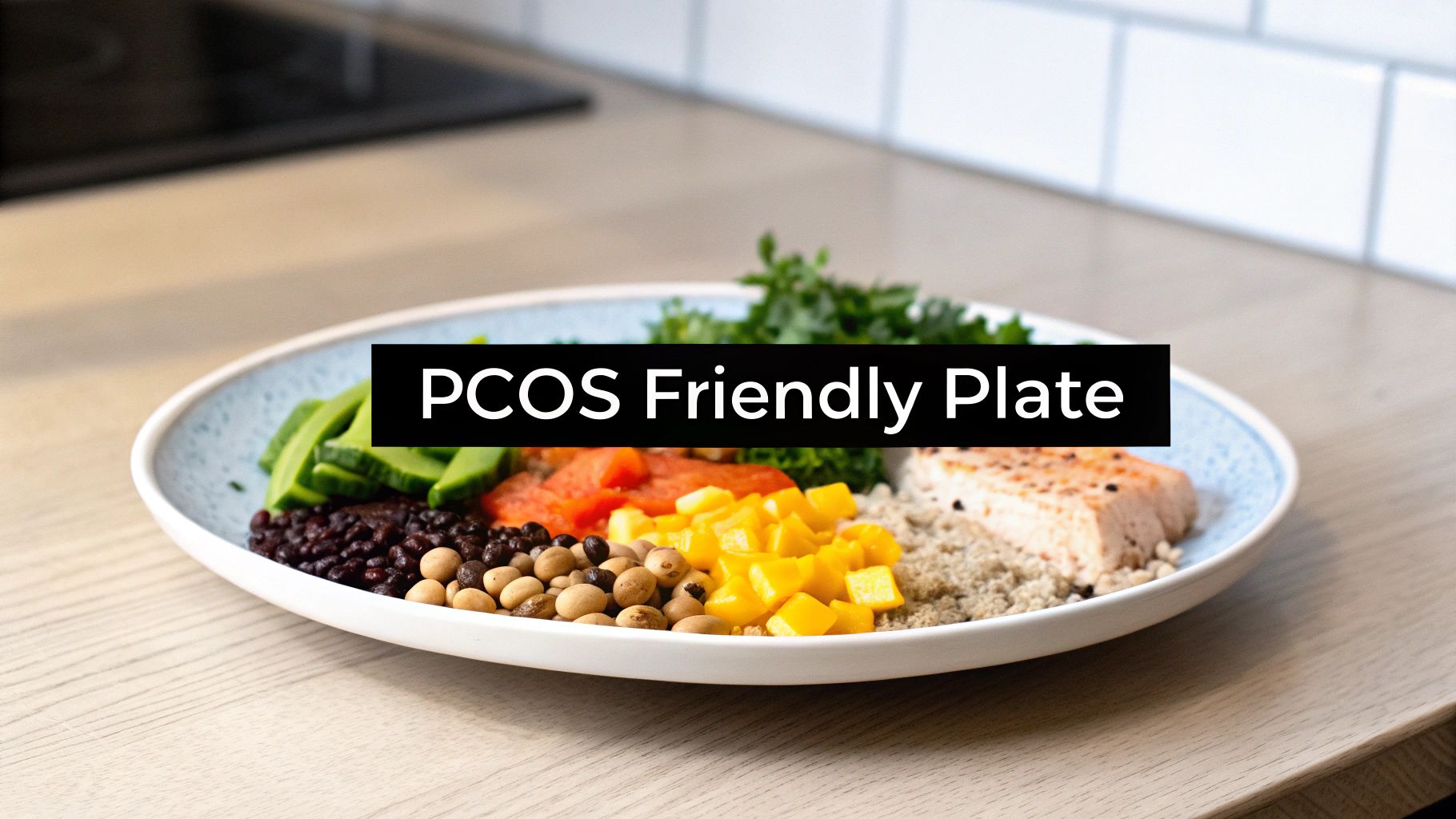
Here’s what a PCOS-friendly plate should prioritize:
- Lean Proteins: Essential for feeling full and for building muscle, which improves insulin sensitivity. Think chicken, fish, tofu, and legumes like lentils and beans.
- High-Fiber Vegetables: Fiber is your best friend for slowing down digestion. Load up on leafy greens like spinach and kale, plus broccoli, bell peppers, and cauliflower.
- Healthy Fats: These are non-negotiable for hormone production and taming inflammation. Avocado, nuts, seeds, and extra virgin olive oil are excellent sources.
- Complex Carbohydrates: For sustained energy without the crash, choose whole grains like quinoa, steel-cut oats, and brown rice in sensible portions.
By focusing on whole, unprocessed foods, you're not just managing a symptom; you're providing your body with the nutrients it needs to regulate hormones, reduce inflammation, and improve metabolic function from the ground up. This shift in mindset is foundational to seeing long-term success.
Making Simple, Sustainable Swaps
You don’t need to overhaul your entire kitchen overnight. In my experience, it's the small, consistent changes that create real, lasting momentum. The goal is simply to make the healthy choice the easy choice.
For example, is your go-to breakfast a bagel with cream cheese? That's a high-glycemic combination that sets you up for a crash. A simple swap to a protein smoothie—blending spinach, protein powder, half a banana, and a spoonful of almond butter—gives you the protein, fiber, and healthy fats you need for stable energy all morning.
For even more practical guidance on meals that support blood sugar, you can discover low-carb and keto meal prep ideas that align perfectly with these principles.
Here are a few more easy swaps to get you started:
- Instead of white pasta, try zucchini noodles or chickpea pasta for a boost of fiber and nutrients.
- Instead of a sugary coffee drink, opt for a green tea or black coffee with a splash of unsweetened almond milk.
- Instead of reaching for chips, have a handful of almonds and an apple. The fiber and protein make for a much more satisfying snack.
The Power of Mindful Eating and Preparation
How you eat can be just as important as what you eat. When you rush through meals while scrolling on your phone, you disrupt digestion and completely miss your body's "I'm full" signals. Mindful eating is simply the act of paying attention to your food—the taste, the texture, the entire experience. It helps you build a much healthier, more intuitive relationship with your plate.
Meal prepping is another game-changer. When you have delicious, balanced meals ready to go, you take the guesswork out of the equation. You're far less likely to grab takeout when you're tired and stressed.
Just a couple of hours on a Sunday can set you up for a week of success. Chop your veggies, cook a batch of quinoa, and grill some chicken. It’s a simple habit that makes it easy to follow through on your commitment to nourishing your body and achieving hormonal balance.
Using Movement to Regulate Hormones and Reduce Stress
When we talk about exercise for PCOS, it's so easy to get stuck on the idea of weight loss. But honestly, that’s not the most important piece of the puzzle. Think of movement as a powerful conversation you're having with your hormones. The right kind of exercise can directly improve how your body uses insulin, bring down high-stress hormones like cortisol, and create a healthier hormonal environment overall.
This isn't about punishing your body with grueling workouts. It's about finding a rhythm of movement that feels good, energizes you, and that you can stick with for the long haul.
Strength Training for Insulin Sensitivity
Lifting weights—or even just using your own body weight—does something incredible for PCOS: it turns your muscles into glucose-guzzling machines. When you do strength training, your muscles get hungry for energy and start pulling sugar out of your bloodstream more effectively. This is a game-changer for improving insulin sensitivity.
You don't have to become a powerlifter to see the benefits. In my experience, consistency beats intensity every time. Just two or three sessions a week can start to move the needle.
If you're just starting out, focus on big, compound movements that give you the most bang for your buck:
- Squats and Lunges: These work the largest muscles in your body.
- Push-ups and Rows: Great for building upper body strength and improving posture.
- Glute Bridges: Fantastic for activating your glutes and supporting your lower back.
Start with just your body weight, paying close attention to good form. Once that feels comfortable, you can start adding resistance with bands or dumbbells. The idea is to gently and progressively challenge your muscles over time.
The Right Kind of Cardio
High-intensity interval training (HIIT) gets a lot of hype, but for many people with PCOS, it can be a bit too much. Intense workouts can sometimes spike cortisol—the body's main stress hormone. Since chronic stress is often already part of the PCOS picture, we want to avoid adding more fuel to the fire.
Instead, I often recommend focusing on moderate-intensity cardio. Think brisk walking, cycling, swimming, or even a fun dance class. Aim for 30 to 45 minutes, a few times a week. This sweet spot helps with weight management, boosts your mood, and supports heart health, all without sending your stress hormones haywire.
Mind-Body Movement for Cortisol Control
This is the element that so many people miss, but it can make all the difference. Practices like yoga and Pilates are phenomenal for lowering cortisol. When cortisol is chronically high, it can mess with ovulation and make insulin resistance even worse, trapping you in a frustrating cycle.
Mindful movement teaches you to tune into your body and your breath. This activates the parasympathetic nervous system—your body’s “rest and digest” state—which has an incredibly powerful calming effect on your entire system. In fact, some studies show that just eight weeks of a consistent yoga practice can lead to measurable drops in anxiety and testosterone levels for women with PCOS.
Ultimately, the secret to long-term success is finding a way to move that you actually enjoy. If you dread your workouts, you won't stick with them. So, give yourself permission to experiment!
Here’s what a balanced week could look like. Think of it as a template you can adapt to your own life and energy levels:
- Monday: Full-Body Strength Training
- Tuesday: 30-minute brisk walk or bike ride
- Wednesday: Active Recovery (Gentle yoga or stretching)
- Thursday: Full-Body Strength Training
- Friday: 45-minute swim or dance class
- Saturday: Mindful Movement (A long walk in nature or a Pilates class)
- Sunday: Rest
This blend of strength, cardio, and restorative work creates a supportive routine that helps you feel good. Remember to listen to your body. Some days you'll have more energy than others, and that’s completely normal. The goal is consistency, not perfection.
Evidence-Based Supplements and Herbs for PCOS Support
While lifestyle is the bedrock of any solid PCOS management plan, certain supplements and herbs can give your body the targeted support it needs to truly thrive. Navigating the supplement aisle can feel overwhelming, but when you focus on the options backed by solid research, you can cut through the noise and find what actually works.
Think of supplements not as a magic bullet, but as strategic allies. They work alongside your diet and exercise efforts to address specific hormonal imbalances, nutrient deficiencies, and metabolic issues that are so common with PCOS. Of course, it’s always smart to chat with your healthcare provider before starting anything new.
Key Supplements for Hormonal and Metabolic Health
Certain compounds have been studied extensively for their benefits in PCOS, especially for improving how the body uses insulin and supporting regular ovulation. From my experience, these are some of the most effective and well-researched options out there.
- Myo-Inositol & D-Chiro-Inositol: These are absolute superstars in the PCOS world. Technically B-vitamin-like compounds, they are crucial for the body's insulin signaling pathways. For many women with PCOS, supplementing can dramatically improve insulin sensitivity, which in turn helps lower androgen levels and promote regular periods. A combination ratio of 40:1 (Myo- to D-chiro-inositol) is widely considered the gold standard for efficacy.
- N-Acetylcysteine (NAC): This is a powerful antioxidant that helps tackle inflammation and oxidative stress—two core issues in PCOS. Research shows NAC can also improve insulin resistance and has even been found to boost the effectiveness of certain fertility treatments.
- Vitamin D: It’s so much more than a vitamin; it’s a pro-hormone that influences countless bodily functions. A huge percentage of women with PCOS are deficient in Vitamin D, and this is directly linked to worse metabolic and reproductive symptoms. Getting your levels up can help with insulin resistance, cycle regularity, and even mood.
One of the best pieces of advice I can give is to introduce supplements slowly. Start with just one new supplement at a time and give your body a few weeks to adjust before adding another. This is the only way you can accurately tell how each one affects you and pinpoint what’s truly making a difference.
The Science is Clear: These Supplements Work
The data coming from recent clinical trials is genuinely exciting. For example, studies have consistently shown that women taking inositol experience significant improvements in ovulation frequency and cholesterol levels compared to placebo groups.
The results with N-acetylcysteine (NAC) are especially striking when used alongside conventional treatments. One trial found that combining NAC with the fertility drug clomiphene boosted ovulation rates from a mere ~1% to nearly 50%. Even more importantly, pregnancy rates hit 21% in the group taking both. You can dig into the full research on these findings to see the data for yourself.
To help you navigate the options, here's a quick comparison of the most effective supplements for PCOS.
Key Supplements for PCOS Management
| Supplement | Primary Benefit for PCOS | Common Dosage | Key Consideration |
|---|---|---|---|
| Inositol (Myo & D-Chiro) | Improves insulin sensitivity, supports ovulation, and helps lower androgens. | 2-4 grams/day (in a 40:1 ratio) | Look for a 40:1 Myo- to D-Chiro-Inositol ratio for best results. |
| N-Acetylcysteine (NAC) | Reduces inflammation and oxidative stress, enhances insulin function. | 600-1800 mg/day (often in divided doses) | Can have a sulfur-like smell; taking with food may help. |
| Vitamin D | Corrects deficiency, supports metabolic health and menstrual regulation. | 1,000-4,000 IU/day | Best to get your levels tested first to determine your optimal dose. |
| Cinnamon | Improves insulin sensitivity and may help with blood sugar control. | 1-2 grams/day (or 1 tsp of powder) | Can be easily added to food. Look for Ceylon cinnamon. |
| Spearmint Tea | Lowers elevated androgen levels, helping reduce hirsutism and acne. | 2 cups/day | Must be spearmint, not peppermint. Consistency is key. |
This table provides a great starting point, but always work with a provider to personalize your plan based on your unique needs and bloodwork.
Herbs That Support PCOS Management
Beyond vitamins and minerals, certain herbs have been used for centuries to support female hormonal health—and modern science is now validating that traditional wisdom. They offer a gentle yet effective way to round out your natural PCOS plan.
Cinnamon: This common spice does more than make your food taste good. Cinnamon has been shown to significantly improve insulin sensitivity and can help regulate menstrual cycles. Just adding a teaspoon to your morning coffee, smoothie, or oatmeal is a simple and delicious way to get it in.
Spearmint Tea: If you’re struggling with high-androgen symptoms like hirsutism (unwanted hair growth) or hormonal acne, spearmint tea is a fantastic tool. Solid studies have shown that drinking two cups per day can significantly lower free and total testosterone levels.
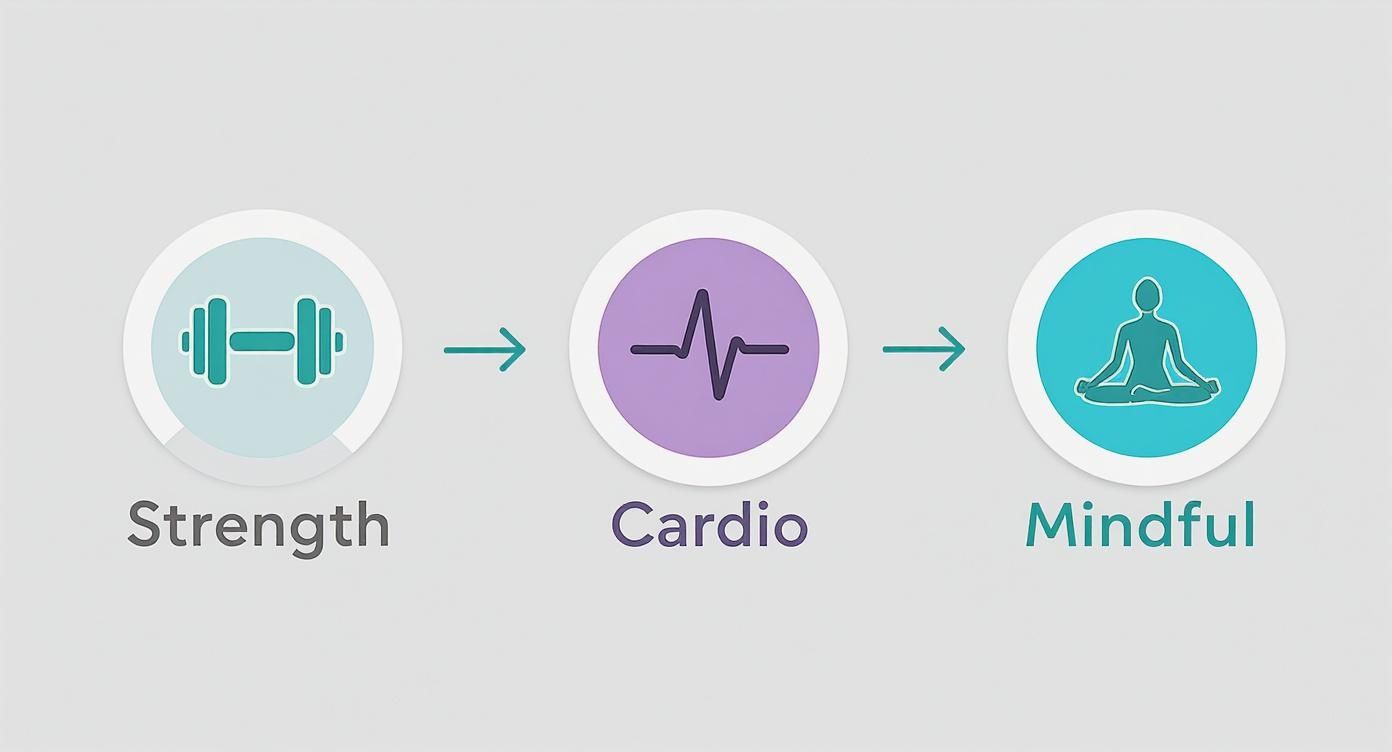
This visual is a perfect reminder of how a balanced wellness routine works. Strength training helps with insulin sensitivity, cardio supports your heart, and mindfulness practices lower stress—all critical pieces of the PCOS puzzle.
Integrating these natural approaches becomes even more powerful when combined with time-tested methods like Traditional Chinese Medicine. For those looking for a truly comprehensive approach, learning about the best acupuncture for fertility can reveal how we work to regulate the body's core systems. This multi-faceted strategy—combining diet, movement, targeted supplements, and therapies like acupuncture—creates a robust framework for managing PCOS for good.
Managing Stress, Sleep, And Environmental Triggers

While diet and exercise get most of the attention, they're only part of the story. A truly effective natural PCOS plan has to look at the quieter, often-overlooked forces that shape your hormonal health.
Chronic stress, poor sleep, and even the chemicals we're exposed to every day can seriously disrupt your body’s delicate balance. Getting these under control isn't just a bonus—it's essential for creating an internal environment where your hormones can finally find their rhythm.
Taming The Stress Response
For so many women with PCOS, life feels like it's lived in a constant state of high alert. This isn't just in your head. That chronic stress keeps your body pumping out cortisol, which directly worsens insulin resistance and tells your ovaries to produce more androgens.
The key is to actively build moments of calm into your day. It’s not about eliminating stress entirely (an impossible task!), but about changing how your body responds to it.
Simple, accessible techniques can make a huge difference:
- Mindful Breathing: Just five minutes of slow, deep belly breathing can flip the switch from "fight or flight" to "rest and digest." Try it before meals or as soon as you wake up.
- Journaling: Worries tend to lose their power when you get them out of your head and onto paper. It’s a powerful way to process emotions instead of letting them fester.
- Nature Exposure: Never underestimate the power of a short walk. Even 15 minutes in a park or any green space can tangibly lower cortisol and lift your mood.
The link between stress and PCOS is a vicious cycle. The stress of managing the condition makes symptoms worse, which then creates more stress. Intentionally carving out time to relax is one of the most effective ways to break that loop and feel more in control.
Prioritizing Restorative Sleep
Sleep is when your body does its most important hormonal repair work. It’s your nightly reset for stress hormones, insulin sensitivity, and reproductive health. Unfortunately, sleep disturbances are incredibly common with PCOS, and research shows women with the condition are at a much higher risk for issues like sleep apnea.
Improving your sleep is one of the highest-impact changes you can make. The first step is to improve your sleep hygiene.
This means creating a routine and an environment that tells your body it’s time to wind down.
- Consistent Schedule: Try to go to bed and wake up around the same time every day, even on weekends. This stabilizes your body's internal clock, or circadian rhythm.
- Dark and Cool Room: Turn your bedroom into a sleep sanctuary. Think blackout curtains and a cool temperature to encourage deeper, more restorative rest.
- Digital Detox: The blue light from your phone and other screens messes with melatonin, the hormone that makes you sleepy. Power everything down at least an hour before bed.
If you’re still struggling to fall or stay asleep, don't give up. We’ve put together a resource on the best natural sleep remedies that offers more specific strategies.
Reducing Environmental Toxin Exposure
Finally, let’s talk about endocrine-disrupting chemicals (EDCs). These are substances found in many everyday products—from plastics to cosmetics—that can mimic or interfere with your body's hormones, potentially making PCOS worse.
You don't need to live in a bubble, but a few conscious swaps can significantly lower your overall exposure. Start with easy wins.
- Swap Plastic for Glass: This is a big one. Avoid microwaving food in plastic and use glass containers for storage whenever you can.
- Choose Cleaner Products: Look for fragrance-free lotions, cleaners, and laundry detergents to cut down on exposure to compounds like phthalates.
- Filter Your Water: A good water filter is a great investment that can remove many common EDCs from the water you drink every day.
By addressing stress, sleep, and your environment, you complete the circle of care, giving your body the 360-degree support it needs to truly heal.
Creating Your Sustainable PCOS Action Plan
Embarking on this journey to manage your PCOS naturally is a huge step, and it requires patience and a healthy dose of self-compassion. I always tell my patients that progress isn't a straight line. It's really about creating small, consistent wins that build positive momentum over time.
Think of this as your personal roadmap. We'll track key milestones along the way to keep you motivated and give us valuable feedback on what's working for your body.
Setting Realistic Timelines
Knowing what to expect can make all the difference in staying the course when things feel slow. While every woman’s body is different, I’ve seen some general patterns emerge with consistent lifestyle adjustments. Here’s a rough idea of what you might experience:
- First 3 Months: This is all about building your foundation. You’ll likely start to feel better first—more energy, a more stable mood, and less bloating are common early wins.
- 3 to 6 Months: This is often when the more visible changes start to appear. You might notice your menstrual cycles becoming more predictable, your skin clearing up, or shifts in your body composition as your insulin sensitivity improves.
- 6 to 12 Months: With continued dedication, this is when many women find a new normal. Cycles can become much more regular, and overall symptoms are often significantly reduced. It’s the perfect time for us to sit down, reassess your progress, and fine-tune your plan.
And this isn't just based on observation; research backs it up. One powerful clinical trial on herbal treatments found that 55% of women achieved regular periods after only three months. Even more incredibly, their conception rates were nearly four times higher than the group that didn't receive the treatment.
You can read more about the research in this article on herbal treatment effectiveness for PCOS. It really highlights what’s possible.
Common Questions About Natural PCOS Treatment
Starting any new health plan is bound to bring up questions. When you decide to manage PCOS naturally, it's completely normal to wonder about timelines, what to expect, and when you might need to lean on your medical team. Let's walk through some of the most common questions we hear from patients just starting this journey.
How Long Does It Take to See Results?
This is probably the number one question people ask, and the honest answer is: it takes time. Patience and consistency are your two best friends here.
While you might start to feel better pretty quickly—maybe more energy or a stable mood within a few weeks—the deeper hormonal shifts take longer. Real, measurable changes like a more regular menstrual cycle or clearer skin typically begin to show up after three to six months of consistent effort. Your body is essentially re-learning how to find its balance, and that process just can't be rushed.
Think of this as a marathon, not a sprint. The goal isn't a quick fix, but building a lifestyle that supports your body for the long haul. The small things you do every day are what add up to big changes over time.
Can I Manage PCOS with Diet and Exercise Alone?
For a lot of women, yes. Nutrition and movement are incredibly powerful tools, and for good reason. They get right to the heart of the matter by addressing insulin resistance, which is a major driver of PCOS for so many. These two lifestyle changes are the absolute foundation of any effective natural management plan.
However, PCOS isn't one-size-fits-all. Your body is unique, and depending on your specific symptoms and how severe they are, you might find you need a bit more support to feel your best.
This is where other strategies can come into play:
- Targeted supplements can help fill specific nutrient gaps or support metabolic function.
- Serious stress management, like a regular mindfulness or yoga practice, can work wonders for lowering cortisol.
- Acupuncture or custom herbal medicine offer another way to support hormonal regulation and bring the body back into balance.
It's helpful to see it all as a complete system. Diet and exercise are the non-negotiables, but adding these other pieces can often speed up your progress and give you more complete relief.
When Should I See a Doctor?
Natural approaches are designed to complement professional medical care, not replace it. It's crucial to have a doctor for an official diagnosis in the first place, just to make sure nothing else is going on.
You should definitely seek medical advice if your symptoms are severe, if you're trying to get pregnant, or if you’ve been consistent with your natural plan for 6 to 12 months and just aren't seeing any positive changes. A healthcare provider can run advanced tests, check your progress with bloodwork, and discuss medical treatments if they become necessary, ensuring you have a safe and well-rounded care plan.
At Eric Tsai Acupuncture and Herbs, we blend these natural principles with the time-tested wisdom of Traditional Chinese Medicine to build a plan that’s right for you. If you're ready to see how acupuncture and customized herbal formulas can support your PCOS journey, visit us at https://drerictsai.com to verify your insurance and book an appointment.