
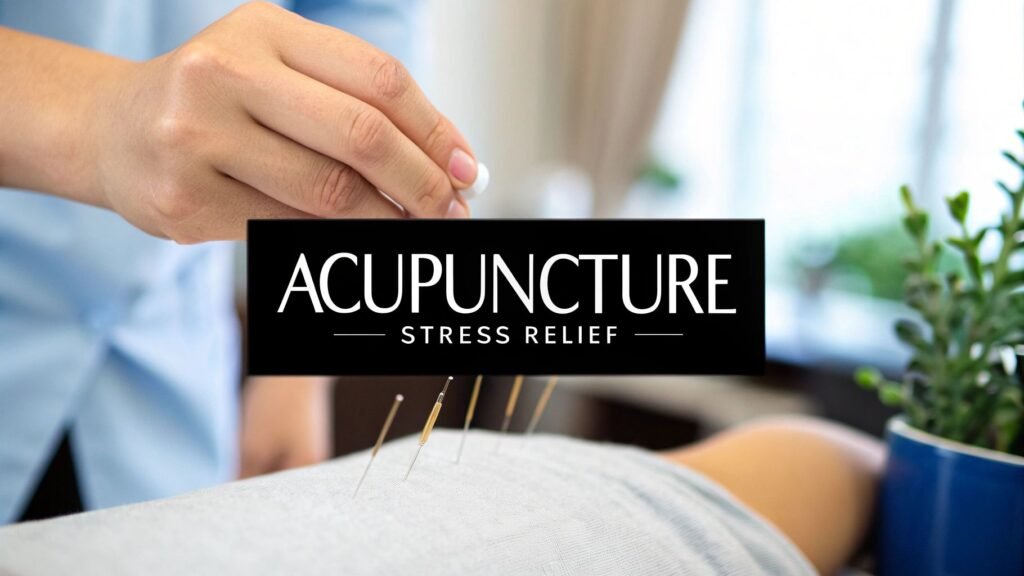
In our fast-paced world, managing stress is not a luxury; it's a fundamental component of maintaining long-term health and vitality. While many seek solutions in modern medicine or lifestyle changes, an ancient practice offers a powerful, accessible tool for restoring balance. Traditional Chinese Medicine (TCM) provides a sophisticated framework for understanding how the body's energy, or Qi, influences our emotional and physical state. At the core of this system are acupuncture points, specific locations on the body that, when stimulated, can profoundly impact our nervous system and promote deep relaxation.
This guide is designed to empower you with the knowledge to locate and utilize key acupuncture points for stress relief through simple self-acupressure techniques. We will move beyond generic advice to provide a curated list of eight potent points known for their ability to calm the mind, release tension, and restore a sense of equilibrium. For each point, you'll find clear, step-by-step instructions for locating it, the specific technique for applying pressure, and the TCM context behind its function. This approach allows you to tap into your body’s innate healing capabilities anytime, anywhere.
Think of this as your personal toolkit for managing daily pressures. By learning these techniques, you gain a practical method to interrupt the cycle of stress and anxiety on your own terms. While this practice offers profound benefits, exploring a range of other quick stress relief techniques can further enhance your overall well-being and provide immediate calm. Let's begin exploring the points that can unlock your body's natural state of tranquility.
1. GV 20 (Baihui) – Hundred Convergences
Governing Vessel 20, or Baihui (百會), translates to "Hundred Convergences," a name that reflects its significant role in Traditional Chinese Medicine (TCM). Located at the very apex of the head, this point is considered the meeting place of all yang meridians, making it one of the most powerful acupuncture points for stress relief. According to TCM theory, Baihui governs the connection between the physical body and the spirit (Shen), providing a direct pathway to calm the mind, clear the senses, and restore emotional balance.

Stimulating GV 20 is particularly effective for those experiencing racing thoughts, mental fog, or feelings of being overwhelmed. It works by descending excess yang energy that has rushed to the head, which often manifests as headaches, dizziness, anxiety, and insomnia. By grounding this energy, GV 20 promotes a profound sense of tranquility and mental clarity.
How to Apply Acupressure to GV 20
Finding and stimulating Baihui is straightforward, making it an accessible tool for immediate stress reduction.
- Locate the Point: Imagine a line running from the top of each ear up to the crown of your head. Then, imagine another line running from the bridge of your nose straight back over the top of your head. GV 20 is located precisely where these two lines intersect. You may feel a slight, tender depression at this spot.
- Apply Gentle Pressure: Using the pad of your middle finger, apply gentle, steady downward pressure to the point. Aggressive stimulation is unnecessary; a light touch is sufficient.
- Massage and Breathe: Slowly massage the point in a circular motion for 2 to 3 minutes. While doing so, close your eyes and take slow, deep breaths, inhaling through your nose and exhaling through your mouth.
Clinical Insight: In a clinical setting, GV 20 is often a primary point used in protocols for anxiety, depression, and stress-related hypertension. Its ability to regulate the central nervous system makes it an invaluable asset in comprehensive treatment plans for mental and emotional well-being. For a deeper understanding of its clinical applications, you can explore more about acupuncture for stress management on DrEricTsai.com.
When to Use GV 20 for Maximum Benefit
Incorporate GV 20 acupressure into your routine during moments of high stress or as a preventative measure. It is especially beneficial:
- Before high-stakes events: Athletes and professionals often use it to clear their minds and enhance focus before a competition or important meeting.
- During meditation: Applying pressure to this point can deepen your meditative state and quiet mental chatter.
- To start your day: A few minutes of stimulation in the morning can set a calm and centered tone for the rest of the day.
2. PC 8 (Laogong) – Palace of Labor
Pericardium 8, or Laogong (勞宮), translates to "Palace of Labor." Located in the center of the palm, this point's name evokes a sense of both physical and emotional work. In Traditional Chinese Medicine (TCM), the Pericardium is the protector of the Heart, shielding it from emotional shocks and stress. Laogong is a critical point on this meridian for clearing heat from the Heart, calming the spirit (Shen), and grounding excessive mental energy, making it one of the most effective acupuncture points for stress relief.

Stimulating PC 8 is particularly useful for individuals experiencing acute anxiety, panic, or emotional turmoil. According to TCM theory, stress can generate "Heart Fire," which manifests as agitation, palpitations, irritability, and insomnia. PC 8 acts like a release valve, venting this excess heat and providing an immediate sense of calm and emotional stability. Its grounding effect helps you feel more centered and in control during overwhelming moments.
How to Apply Acupressure to PC 8
Finding and stimulating Laogong is simple and discreet, making it an excellent tool for managing stress anytime, anywhere.
- Locate the Point: Make a light fist with one hand. The PC 8 point is located on your palm where the tip of your middle finger touches the skin. It's typically in the depression between the second and third metacarpal bones.
- Apply Firm Pressure: Using the thumb of your opposite hand, apply firm, steady pressure to the point. You may feel a slight ache or tenderness, which indicates you've found the right spot.
- Massage and Breathe: Gently massage the point in a circular motion for 2 to 3 minutes. Synchronize the massage with your breathing by inhaling deeply through your nose for a count of four as you apply pressure, and exhaling slowly through your mouth.
Clinical Insight: In clinical practice, PC 8 is often utilized for its potent tranquilizing effects, especially in treatments for anxiety disorders, panic attacks, and stress-induced insomnia. Its ability to quickly calm the Heart and mind makes it a go-to point for immediate emotional regulation. Modern acupuncturists specializing in anxiety frequently incorporate it into their protocols.
When to Use PC 8 for Maximum Benefit
Incorporate PC 8 acupressure into your self-care routine to manage both acute and chronic stress. It is especially beneficial:
- During moments of high anxiety: If you feel a panic attack coming on or are in a high-stress situation, like before a public speech, pressing this point can provide immediate grounding.
- To calm racing thoughts before sleep: Stimulating PC 8 on both hands before bed can help settle the mind and promote a more restful sleep.
- As a daily resilience-building practice: Business professionals and students often use this technique during a busy day to reset their nervous system and maintain focus.
3. HT 7 (Shenmen) – Spirit Gate
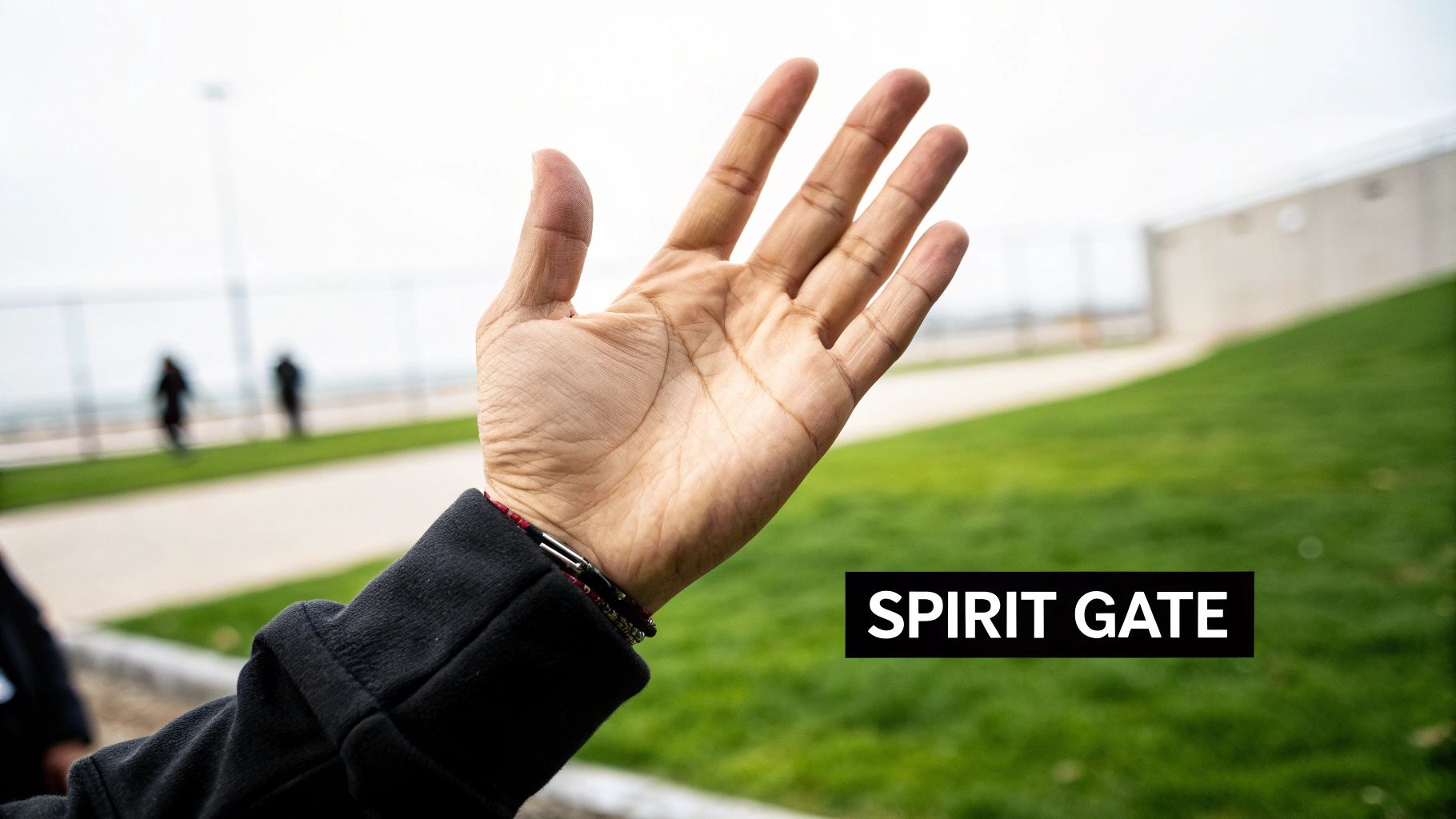
Heart 7, or Shenmen (神門), translates to "Spirit Gate," a name that beautifully captures its profound effect on the mind and emotions. Located on the wrist, this point is one of the most celebrated and frequently used acupuncture points for stress relief. According to Traditional Chinese Medicine (TCM), the heart houses the spirit (Shen), which governs consciousness, emotional balance, and sleep. Shenmen acts as a direct gateway to calm this spirit, making it indispensable for treating emotional turbulence, anxiety, and restlessness.
Stimulating HT 7 is particularly effective for those suffering from chronic stress, worry, and the kind of anxiety that disrupts sleep. It works by nourishing Heart Yin and blood, calming the Shen, and clearing heat that can agitate the mind. This action helps to soothe the nervous system, quiet incessant thoughts, and foster a deep sense of inner peace and emotional stability.
How to Apply Acupressure to HT 7
Finding and stimulating Shenmen is simple, providing a quick and effective method for on-the-spot emotional regulation.
- Locate the Point: Find the crease on the inside of your wrist. Follow the line down from your little finger until you reach this crease. HT 7 is located in the small, hollow space on the ulnar side (the pinky-finger side) of this crease, between the two tendons.
- Apply Gentle Pressure: Using the thumb of your opposite hand, apply firm but gentle pressure into this hollow.
- Massage and Breathe: Gently massage the point in a circular or up-and-down motion for 2 to 3 minutes. Synchronize the massage with slow, deep breathing to amplify its calming effects. Repeat on the other wrist.
Clinical Insight: HT 7 is a cornerstone point in acupuncture protocols for a wide range of psycho-emotional disorders, including anxiety, panic attacks, and stress-related insomnia. Its ability to directly pacify the Heart and Shen makes it a primary choice for practitioners aiming to restore mental tranquility. You can discover more about the benefits of acupuncture for anxiety on DrEricTsai.com.
When to Use HT 7 for Maximum Benefit
Incorporate HT 7 acupressure into your daily routine to manage stress and improve your emotional resilience. It is especially beneficial:
- Before bed: Stimulating this point for a few minutes about 30 minutes before sleep can help quiet a racing mind and promote a more restful night.
- During moments of panic or high anxiety: If you feel overwhelmed or on the verge of a panic attack, applying pressure to HT 7 can help ground you and calm your heart rate.
- When feeling emotionally volatile: Use this point to soothe irritability, frustration, or sadness and regain a sense of emotional control.
4. CV 17 (Tanzhong) – Chest Center
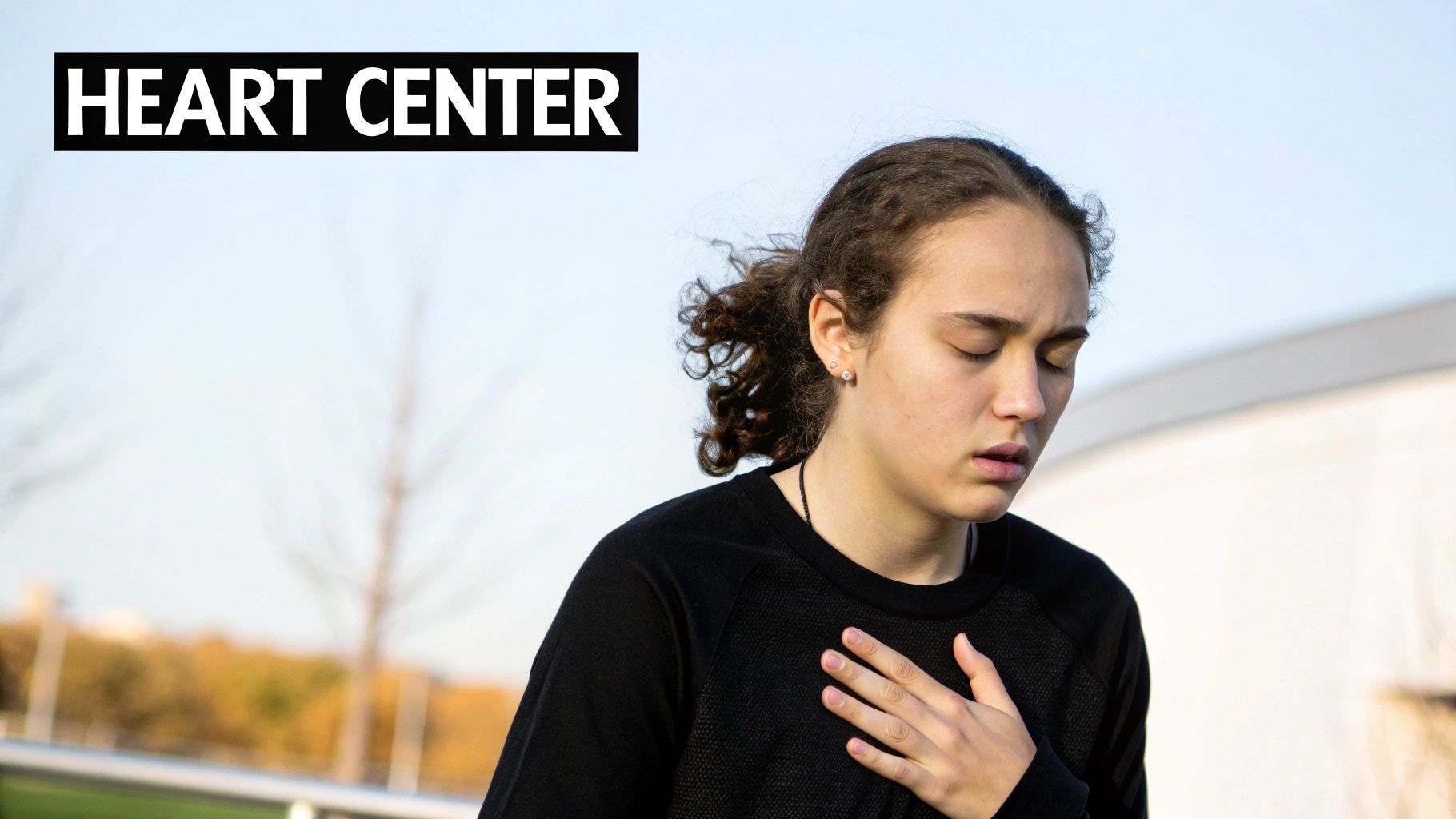
Conception Vessel 17, or Tanzhong (膻中), translates to "Chest Center" and is located at the center of the sternum. This point is considered the Sea of Qi, a powerful reservoir of the body's vital energy. It is directly associated with the Pericardium, the protective sheath around the heart, making it one of the most essential acupuncture points for stress relief, especially for stress that manifests emotionally or in the chest. In TCM, Tanzhong governs the gathering and distribution of Qi throughout the chest, influencing the heart and lungs.
Stimulating CV 17 is particularly effective for releasing emotional tension, such as grief, anxiety, and frustration, which can cause physical symptoms like chest tightness, palpitations, and shallow breathing. By opening up the chest and regulating Qi flow, it calms the spirit (Shen) and allows for the free expression and processing of suppressed emotions, promoting deep relaxation and a sense of emotional liberation.
How to Apply Acupressure to CV 17
Finding and stimulating Tanzhong is a simple and effective way to address feelings of chest constriction and emotional overwhelm.
- Locate the Point: Find the center of your sternum (breastbone). The point is located on this midline, level with the fourth intercostal space, which is typically aligned with the nipples in men. You may feel a slight indentation or a tender spot here.
- Apply Gentle Pressure: Place the pads of two or three fingers in the center of your chest on this point. Apply gentle, comforting pressure.
- Massage and Breathe: Gently massage the point in a slow, circular motion for 2 to 3 minutes. As you do this, focus on taking slow, deep breaths that expand your chest and abdomen. Visualize the tension in your chest softening and releasing with each exhale.
Clinical Insight: Somatic experiencing therapists and trauma-informed practitioners often guide clients to stimulate CV 17 to release stored emotional trauma from the body. Its ability to calm the heart and regulate breathing makes it a cornerstone of protocols aimed at downregulating the nervous system's fight-or-flight response.
When to Use CV 17 for Maximum Benefit
Incorporate CV 17 acupressure into moments when you feel emotionally stuck or physically constricted by stress. It is especially beneficial:
- During moments of anxiety or panic: Applying pressure can help soothe palpitations and restore calm, deep breathing.
- Before difficult conversations: Stimulating this point can help you feel more centered and open-hearted.
- As part of a nightly wind-down routine: Massaging CV 17 before sleep can help release the day's accumulated emotional stress, preparing you for restful sleep.
5. LV 3 (Taichong) – Great Rushing
Liver 3, or Taichong (太冲), translates to "Great Rushing," which perfectly describes its function of powerfully moving stagnant Qi and blood. Located on the foot, this point is a master regulator of the Liver meridian, which in Traditional Chinese Medicine (TCM) governs the smooth flow of emotions and our response to stress. When Liver Qi becomes stagnant due to frustration, repressed anger, or chronic stress, LV 3 is one of the most effective acupuncture points for stress relief to restore balance and emotional harmony.
Stimulating LV 3 is particularly effective for releasing pent-up tension that manifests as irritability, mood swings, frustration, and physical symptoms like tension headaches or menstrual irregularities. By ensuring the free flow of Qi throughout the body, Taichong helps to soothe the nervous system, resolve emotional rigidity, and clear the "stuck" feeling that often accompanies prolonged stress. Its powerful action makes it a cornerstone point for treating a wide range of stress-related conditions.
How to Apply Acupressure to LV 3
Finding and stimulating Taichong is simple, offering a potent tool for on-the-spot emotional regulation.
- Locate the Point: Sit comfortably and place your foot on the opposite knee. Find the junction where the bones of your big toe and second toe meet. LV 3 is located in the depression just before this junction, on the top of your foot. It is often quite tender to the touch.
- Apply Firm Pressure: Using your thumb or index finger, apply deep, firm pressure into the webbing between the bones.
- Massage and Breathe: Massage the point with a strong, circular motion for 2 to 3 minutes. As you do, focus on taking slow, deep breaths, visualizing the release of frustration with each exhale. Repeat on the other foot for a balanced effect.
Clinical Insight: In a clinical setting, LV 3 is often paired with LI 4 (Hegu) in a combination known as the "Four Gates." This powerful duo works synergistically to open all the channels in the body, strongly circulate Qi and blood, and calm the spirit. It's a fundamental treatment for conditions rooted in emotional constraint and stress. You can explore how practitioners address such imbalances through acupuncture for anxiety on DrEricTsai.com.
When to Use LV 3 for Maximum Benefit
Incorporate LV 3 acupressure into your routine whenever you feel emotionally constricted or overwhelmed. It is especially beneficial:
- When feeling irritable or angry: Applying pressure can provide immediate relief from feelings of frustration and help you respond more calmly.
- For managing premenstrual symptoms (PMS): Many women find it effective for alleviating the irritability, cramping, and tension associated with their cycle.
- Before bed to ease tension: If stress is causing physical tension that prevents sleep, massaging LV 3 can help relax the body and mind.
6. TE 5 (Waiguan) – Outer Gate
Triple Energizer 5, or Waiguan (外關), translates to "Outer Gate," a name that signifies its role as a protective and regulating point. Located on the forearm, TE 5 is a crucial point for managing the physical manifestations of stress and enhancing emotional resilience. In Traditional Chinese Medicine (TCM), it is considered a major gateway for the body's Qi, helping to clear obstructions and regulate the nervous system. This makes it one of the most effective acupuncture points for stress relief, especially for those who carry tension in their upper body.
Stimulating Waiguan is particularly beneficial for individuals whose stress manifests as neck stiffness, shoulder pain, or tension headaches. It works by releasing stagnation in the Triple Energizer meridian, which influences fluid metabolism and the body's defensive energy (Wei Qi). By activating this point, you can ease physical tightness while also creating a sense of emotional protection and security, as if closing an "outer gate" to external stressors.
How to Apply Acupressure to TE 5
Locating and stimulating Waiguan is simple, providing an accessible method for quick relief from stress-induced physical symptoms.
- Locate the Point: Place three fingers from your other hand on your wrist, starting at the wrist crease on the back of your forearm. TE 5 is located just beyond your third finger, in the depression between the two bones of the forearm (the radius and ulna).
- Apply Firm Pressure: Use the tip of your thumb or index finger to apply firm, deep pressure to this point. You may feel a slight ache or tenderness, which is normal.
- Massage and Breathe: Press and hold the point, or massage it in a circular motion for 2 to 3 minutes. As you do so, take slow, deep breaths, allowing your shoulders and neck to relax with each exhale. Repeat on the other arm for a balanced effect.
Clinical Insight: Clinically, TE 5 is a versatile point used not only for stress and tension but also for boosting the immune system and relieving migraines. Its ability to expel wind and release the exterior in TCM theory translates to modern applications for strengthening the body's resilience against stress-related illness. It is frequently included in protocols taught in corporate wellness programs for managing workplace stress.
When to Use TE 5 for Maximum Benefit
Incorporate TE 5 acupressure into your daily routine to build resilience or use it for immediate relief when stress levels are high. It is especially beneficial:
- During long hours at a desk: Activating this point can alleviate the neck and shoulder tension that builds up from prolonged sitting and computer use.
- When feeling emotionally vulnerable: Pressing TE 5 can help create a sense of energetic protection, making it useful before entering a stressful situation.
- As part of a preventative routine: Stimulating this point daily can support your immune system, which is often compromised during periods of chronic stress.
7. SP 6 (Sanyinjiao) – Three Yin Intersection
Spleen 6, or Sanyinjiao (三陰交), translates to "Three Yin Intersection." This name perfectly describes its function as the meeting point of the three yin meridians of the leg: the Spleen, Liver, and Kidney channels. Located on the inner lower leg, this convergence makes it one of the most versatile and powerful acupuncture points for stress relief, particularly for issues rooted in hormonal, digestive, or emotional imbalances. In Traditional Chinese Medicine (TCM), SP 6 is renowned for nourishing yin, invigorating blood, and calming the spirit (Shen).
Stimulating Sanyinjiao is exceptionally effective for stress that manifests physically, such as through digestive upset, menstrual irregularities, or sleep disturbances. It works by harmonizing the deep energy systems that govern blood, fluids, and hormones. By restoring balance to these foundational systems, SP 6 helps alleviate the systemic impact of chronic stress, promoting a sense of groundedness and comprehensive well-being. This makes it a go-to point for treating complex, multi-symptom conditions often exacerbated by stress.
How to Apply Acupressure to SP 6
Finding and stimulating Sanyinjiao is a simple practice that can be done anywhere to help rebalance your system and calm your mind.
- Locate the Point: Sit comfortably and place four fingers of one hand just above the peak of your inner ankle bone (medial malleolus). The point is located at the top edge of your index finger, just behind the shin bone (tibia). You will often find a tender spot there.
- Apply Firm Pressure: Using the pad of your thumb, apply firm, deep pressure to the point. The pressure should be strong but not painful.
- Massage and Breathe: Massage the point with a firm, circular motion for 2 to 3 minutes on each leg. As you do, focus on taking slow, deep abdominal breaths to enhance the calming effect.
Clinical Insight: SP 6 is a cornerstone point in gynecology and reproductive health within TCM. It's frequently used in protocols for PMS, menopause, infertility, and stress-related menstrual issues. Its powerful influence on the Spleen, Liver, and Kidney systems makes it invaluable for treating conditions where stress has disrupted hormonal and digestive function.
When to Use SP 6 for Maximum Benefit
Incorporate SP 6 acupressure into your daily self-care routine, especially during times of heightened emotional or physical stress. It is particularly beneficial:
- In the evening: Stimulating this point before bed can help calm the nervous system and address stress-related insomnia.
- During menstrual cycles: For those experiencing PMS symptoms like irritability, cramping, and bloating, applying acupressure to SP 6 can provide significant relief.
- When feeling overwhelmed: If you feel frazzled or emotionally unstable, taking a few minutes to massage this point can help ground your energy and restore a sense of calm.
Caution: Due to its strong effect on the pelvic region and its ability to promote circulation, SP 6 is contraindicated for acupressure and acupuncture during pregnancy.
8. GV 24.5 (Yintang) – Third Eye Point
Governing Vessel 24.5, or Yintang (印堂), is often called the "Third Eye Point." Located directly between the eyebrows, this point is not on a primary meridian but is one of the most revered extra points in Traditional Chinese Medicine (TCM). Its name, which translates to "Hall of Impression," reflects its profound ability to calm the mind, soothe the spirit (Shen), and enhance intuition, making it one of the most effective acupuncture points for stress relief. According to TCM, Yintang directly influences the mind and emotions, offering immediate access to a state of tranquility.
Stimulating Yintang is particularly beneficial for individuals experiencing mental restlessness, anxiety, and stress-related headaches. It works by quieting the mind's incessant chatter and activating the parasympathetic nervous system, which guides the body into a "rest and digest" state. This powerful calming effect helps alleviate symptoms like racing thoughts, insomnia, and the feeling of being mentally overwhelmed. Its direct and potent action on the central nervous system has made it a key point in both ancient practices and modern therapeutic settings, from meditation studios to migraine treatment centers.
How to Apply Acupressure to Yintang
Activating the Yintang point is simple and can be done anywhere to quickly reduce stress and recenter your focus.
- Locate the Point: Find the midpoint directly between the inner ends of your eyebrows. This is Yintang. You may feel a slight indentation or a particularly receptive area here.
- Apply Gentle Pressure: Using the tip of your middle finger or thumb, apply gentle but firm pressure to this point.
- Massage and Breathe: Close your eyes and slowly massage the point in a clockwise or counterclockwise circular motion for 1 to 2 minutes. Focus on taking slow, deep, and even breaths, allowing your mind to quiet with each exhalation.
Clinical Insight: Clinically, Yintang is a go-to point for treating anxiety, panic attacks, frontal headaches, and sinus pressure. Its remarkable sedative properties make it a cornerstone of acupuncture protocols aimed at calming the nervous system and promoting emotional equilibrium. To discover how it complements other points for mental wellness, you can explore more about acupressure points for anxiety on DrEricTsai.com.
When to Use Yintang for Maximum Benefit
Yintang's calming effect makes it a versatile tool for managing stress throughout the day. It is especially useful:
- During meditation or quiet reflection: Pressing this point can help you achieve a deeper state of peace and mental stillness.
- When experiencing mental fog or overwhelm: A minute of stimulation can clear your head and restore focus.
- Before important meetings or presentations: Use it to calm nerves and enhance mental clarity.
- To aid sleep: Massaging Yintang before bed can help quiet a racing mind and ease you into a restful sleep.
8-Point Comparison: Stress-Relief Acupuncture Points
| Point | Implementation complexity 🔄 | Resource requirements ⚡ | Expected outcomes ⭐ / 📊 | Ideal use cases 💡 | Key advantages ⭐ |
|---|---|---|---|---|---|
| GV 20 (Baihui) | Moderate — precise scalp location; needling requires clinician | Low — self-acupressure feasible; needles need pro | Strong calming, mental clarity, headache relief; effects build with sessions | Meditation, chronic stress, pre-performance focus | Powerful mind–body regulator; connects multiple meridians |
| PC 8 (Laogong) | Low — obvious palm landmark; simple pressure or shallow needling | Very low — always accessible for acupressure | Rapid acute anxiety relief, grounding, reduces palpitations | On-the-go stress (meetings, exams, panic moments) | Immediate effect; convenient self-care without tools |
| HT 7 (Shenmen) | Low — easy wrist landmark; gentle sustained pressure works well | Low — self-acupressure; clinical needling optional | Reduces chronic anxiety, improves sleep; long-term emotional stability | Chronic anxiety, insomnia, ongoing emotional regulation | Well-documented; suitable for daily use and long-term care |
| CV 17 (Tanzhong) | Moderate — chest contact requires comfort; professional needling advised | Low–Medium — self-acupressure ok; clinician for deeper effect | Releases chest tightness, enhances breathing, encourages emotional release | Breathwork, trauma-related tension, emotional suppression | Directly improves respiratory function and heart–lung energetic balance |
| LV 3 (Taichong) | Low–Moderate — foot location accessible; firm pressure often used | Low — self-acupressure possible; needling optional | Moves stagnant energy, reduces anger/frustration; gradual systemic change | Anger management, chronic stress patterns, athletic focus | Strong for emotional regulation and overall energy circulation |
| TE 5 (Waiguan) | Low — clear forearm landmark; circular firm pressure effective | Low — self-care friendly; clinical needling optional | Reduces neck/shoulder tension, supports immune response; gradual improvement | Workplace stress, upper-body tension, immune resilience | Targets physical stress symptoms and promotes boundaries/safety |
| SP 6 (Sanyinjiao) | Moderate — measured inner-leg location; avoid during pregnancy | Low–Medium — self-acupressure feasible; contraindicated during pregnancy | Balances hormones, improves digestion & sleep; systemic, long-term benefits | Women's health, hormonal stress, sleep and digestive disturbances | Intersection of three meridians; broad endocrine and nervous system effects |
| GV 24.5 (Yintang) | Low — mid-forehead point; gentle care near eyes required | Very low — non-invasive and easy for self-use | Immediate mental calm, headache relief, enhances meditation | Racing thoughts, migraines, pre-presentation calm | Rapid mental calming; highly synergistic with meditation practices |
From Self-Care to Professional Care: Your Next Step Towards Lasting Relief
Throughout this guide, we have explored a curated collection of powerful acupuncture points for stress relief. From the calming "Hundred Convergences" (GV 20) at the crown of your head to the grounding "Great Rushing" (LV 3) on your foot, you now possess a practical toolkit for managing stress in the moment. You have learned not just where these points are, but how to activate them through targeted acupressure, turning your own hands into instruments of calm and balance.
The techniques for stimulating points like "Spirit Gate" (HT 7) and "Chest Center" (CV 17) offer immediate, accessible methods to soothe an anxious heart and release physical tension. By integrating these simple routines into your daily life, you can begin to interrupt the cycle of chronic stress and cultivate a deeper sense of well-being. This self-care practice is a foundational step, empowering you to actively participate in your own health journey.
Key Takeaways for Your Path Forward
Mastering these acupressure techniques is more than just a quick fix; it is about building a new relationship with your body. It is about learning to listen to its signals and responding with intentional, healing touch.
- Consistency is Crucial: The true benefits of acupressure emerge with regular practice. A few minutes each day dedicated to points like "Yintang" (GV 24.5) can have a more profound cumulative effect than an occasional, lengthy session.
- Mind-Body Connection: Each point, from "Palace of Labor" (PC 8) to "Three Yin Intersection" (SP 6), serves as a physical gateway to your emotional and energetic state. Applying pressure is an act of mindfulness that strengthens this vital connection.
- Acupressure is a Complementary Tool: While self-acupressure is a powerful technique, it is one part of a larger wellness strategy. For those seeking a broader spectrum of holistic care, exploring various naturopathic treatments for anxiety can provide additional pathways to well-being, integrating diet, herbal medicine, and lifestyle changes.
Bridging the Gap from Self-Acupressure to Professional Acupuncture
Self-acupressure provides a remarkable entry point into the world of Traditional Chinese Medicine (TCM). It allows you to experience firsthand how stimulating specific points on your body can influence your mood, energy, and overall health. However, for deep-seated, chronic, or complex stress patterns, the precision and potency of professional acupuncture are unparalleled.
A licensed acupuncturist does more than just address symptoms. They perform a comprehensive diagnosis based on TCM principles, identifying the root energetic imbalances contributing to your stress. This allows for a highly personalized treatment plan that uses fine, sterile needles to stimulate acupuncture points with a level of accuracy and therapeutic depth that acupressure alone cannot achieve. A professional session integrates multiple points simultaneously, creating a synergistic effect that recalibrates your entire system for lasting relief.
If you find that your stress is persistent, multifaceted, or impacting your quality of life, consider this your invitation to take the next step. Transitioning from self-care to professional care is not a sign of failure but a mark of profound self-awareness. It is an investment in a more resilient, balanced, and vibrant you. Embracing professional guidance can unlock a new level of healing, providing the expert support needed to navigate the complexities of your health and finally achieve enduring peace.
Ready to experience the profound, personalized benefits of professional care? At Eric Tsai Acupuncture and Herbs, we specialize in creating customized treatment plans that address the root cause of your stress. Book your consultation today to begin your journey toward lasting balance and relief in the Chino, CA area.